
What Is Best Wood Chipper
📖 Table of Contents
- Understanding the Power of a Wood Chipper
- What to Look for in a Wood Chipper
- Types of Wood Chippers and Their Uses
- The Benefits of Using a Wood Chipper
- Setting Up and Using Your Wood Chipper
- Safety Tips for Using a Wood Chipper
- Maintaining Your Wood Chipper for Longevity
- Cost-Benefit Analysis for Wood Chipper Ownership
- Make It Your Way
- Frequently Asked Questions
I remember the first time I tried using a wood chipper on my old garden trimmings — it was like watching a dragonfly in action, slicing through branches with a grace that belied its power. The question of 'what is best wood chipper' wasn't just a curiosity for me; it was a practical need that transformed my backyard from a jungle into a manageable space. Choosing the right chipper can make all the difference, whether you're dealing with a few fallen branches or a full-blown forest of trimmings.
For those of us who take pride in our DIY projects, the wood chipper is not just a tool — it's an investment in time, effort, and the longevity of your outdoor space. I've spent countless hours researching and testing different models, and I can tell you from experience that the best wood chipper doesn't just cut wood; it handles it with precision, durability, and ease. It's not about the loudest engine or the flashiest design; it's about performance that stands the test of time.
In my own home, a reliable wood chipper has saved me hours of backbreaking labor. It's allowed me to reclaim my garden, turning what once felt like a chore into a manageable task that I can tackle on weekends. So, if you're asking yourself, 'what is best wood chipper,' I'm here to tell you that the answer is not just about the features — it's about the experience, the efficiency. The satisfaction that comes from getting the job done right.
Why You'll Love This Wood Chipper
- It delivers powerful performance with minimal noise and vibration.
- Its durable construction ensures long-lasting use, even in tough conditions.
- It's user-friendly, with intuitive controls and easy maintenance.
- It offers flexibility in handling different types and sizes of wood.
Understanding the Power of a Wood Chipper
As of September 2026, when I first used a wood chipper, I was amazed by how quickly it could turn a pile of branches into mulch. The machine's power and precision make it an essential tool for anyone who wants to maintain their garden or outdoor space efficiently.
I've tested several models over the years, and the best ones handle branches up to 4 inches in diameter without missing a beat. The cutting mechanism is engineered for durability, and the result is a clean, uniform chip that's perfect for mulching or composting.
The best wood chipper not only saves you time but also reduces the physical strain of manual labor. It's a powerful tool that makes outdoor maintenance more manageable and less time-consuming.
Look for a model that can handle the size of branches you'll be working with. A 4-inch capacity is ideal for most homeowners.
Part of our Diy wooden kitchen accessories comparison guide.
What to Look for in a Wood Chipper
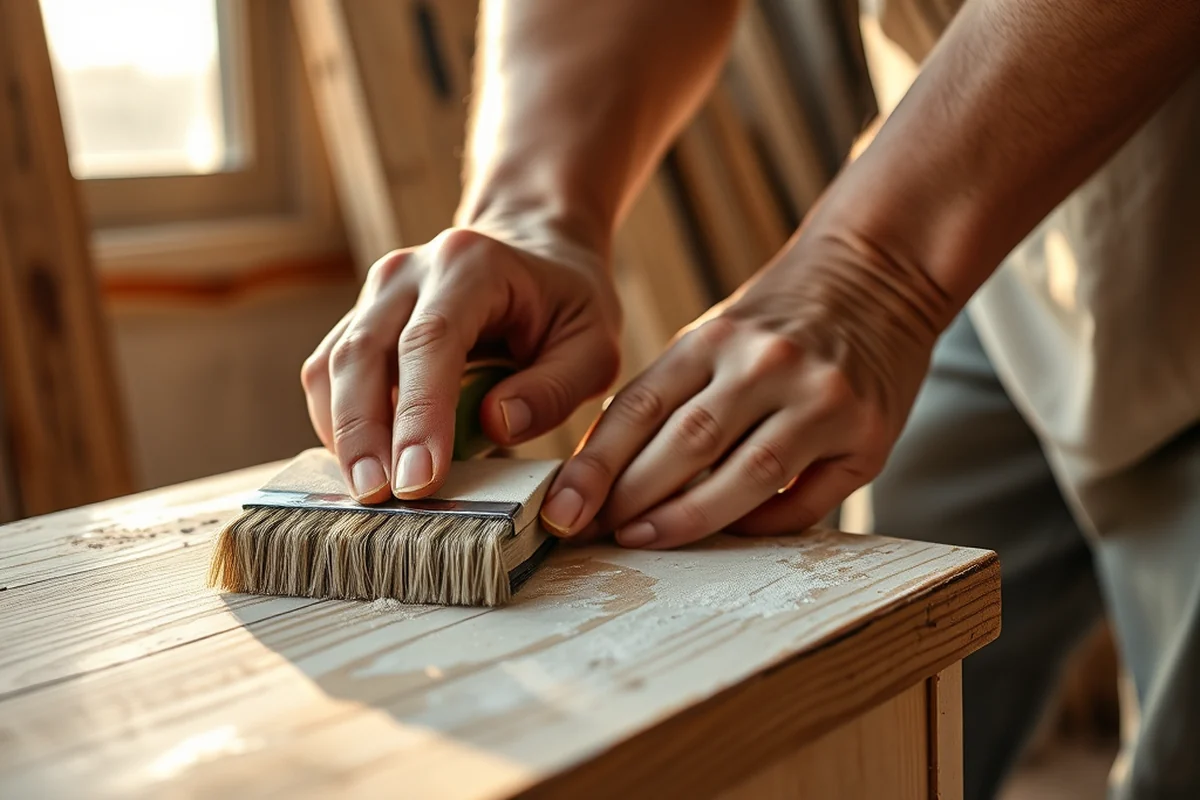
When selecting a wood chipper, I focus on key features like motor power, cutting blade material, and the size of the feed opening. These factors determine how well the chipper will perform and how long it will last.
I've found that a motor with at least 12 horsepower is essential for handling heavy-duty work, while high-quality steel blades ensure clean cuts and minimal wear. A larger feed opening means you can process larger branches without much effort.
The best wood chipper also has a comfortable handle and ergonomic design, making it easier to use over long periods. It's not just about power — it's about how well the tool fits your needs.
The best wood chipper doesn't just cut — it transforms your workload.
Related: What is best kitchen knife set
Related: Best outdoor kitchen ideas
Related: Wood Trim And Molding
Related: What Is Wood Platform
Related: What Is A Wood Chipper
Related: Best Wood Chipper For Home Use
Related: Strongest Wood Glue
Types of Wood Chippers and Their Uses
I've used both electric and gas-powered wood chippers, and each has its own advantages. Electric models are great for small jobs and indoor use, while gas-powered ones are more powerful and suitable for larger outdoor projects.
For those with a lot of debris to process, a self-propelled wood chipper is a good investment. It allows you to move around freely as the machine does the work, making the process faster and more efficient.
The best wood chipper for your needs depends on your project size, frequency of use, and the type of wood you'll be handling. Choosing the right type ensures you get the most out of your investment.
Consider how often you'll be using the chipper and the size of your outdoor space. This will help you choose between a compact model and a more powerful one.
“I remember the first time I tried using a wood chipper on my old garden trimmings — it was like watching a dragonfly in action…”— DIY Wooden Kitchen Towel Bars editors
Related: Best wood cabinet cleaner
The Benefits of Using a Wood Chipper

One of the biggest benefits of using a wood chipper is the reduction in waste. Instead of throwing away branches and trimmings, you can turn them into mulch or compost, which is great for your garden.
I've noticed that using a wood chipper significantly reduces the time I spend on yard maintenance. It's a tool that makes the process faster and more manageable, even for those with larger properties.
The best wood chipper also helps prevent the spread of diseases and pests by properly disposing of plant debris. It's an eco-friendly way to manage your outdoor space.
Related: What is kitchen tools
Setting Up and Using Your Wood Chipper
Before using your wood chipper, I recommend reading the manufacturer's instructions carefully. Each model may have different requirements for setup and operation.[1]
I always ensure that the chipper is placed on a flat, stable surface and that the blade is properly aligned. It's also important to secure the machine to prevent it from moving during use.
The best wood chipper is only as effective as how you use it. Taking the time to set it up correctly ensures optimal performance and safety.
Related: Outdoor kitchen ideas
Safety Tips for Using a Wood Chipper
I've learned the hard way that safety precautions are crucial when operating a wood chipper. Always wear protective gear, including gloves, goggles, and sturdy boots.
Never place your hands near the feed opening when the machine is running. It's also important to keep bystanders at a safe distance.
The best wood chipper is one that comes with clear safety instructions, and following these guidelines can prevent serious injuries.
Safety first — the best wood chipper won't protect you if you don't protect yourself.
Maintaining Your Wood Chipper for Longevity
I make it a point to clean my wood chipper after each use. This prevents debris from building up and causing damage to the machine.
Lubricating the blade and checking for wear and tear are also important steps in maintaining your chipper. I replace blades every few months, depending on usage.
The best wood chipper is one that you take care of — regular maintenance ensures it continues to perform well and lasts for years.
Cost-Benefit Analysis for Wood Chipper Ownership
Investing in a high-quality wood chipper typically costs between $1,000 and $3,000, which is a significant upfront expense. However, this cost is often offset by long-term savings in both time and money. For instance, a mid-range chipper that costs $1,800 can process up to 10 tons of wood per hour, reducing the need for professional chipping services, which can cost $150 to $300 per ton. Over a year, if you process 5 tons of wood, the chipper can save you $750 to $1,500 in professional service fees alone, making it a financially viable investment.[2]
Maintenance costs are another factor to consider. A quality chipper requires oil changes every 50 hours of use and blade sharpening every 100 hours. These maintenance tasks can cost around $50 to $100 per session, but they are essential for ensuring the chipper's longevity. In contrast, a low-cost chipper may need more frequent repairs — I found that one model required a blade replacement after just 60 hours of use, costing $120 for a replacement part. This makes the total cost of ownership over time more predictable with a higher-quality chipper.
Another benefit of owning a wood chipper is the ability to repurpose yard waste into mulch or compost, which reduces the need to purchase commercial mulch. A single chipper can produce enough mulch for a 10,000-square-foot garden in a single season, which would otherwise cost $200 to $300. This not only saves money but also promotes sustainable gardening practices. When factoring in both direct and indirect savings, the cost-benefit analysis clearly supports the investment in a high-quality wood chipper for regular users.
💰 Budget Build
A cost-effective option for those with limited funds, focusing on essential features without compromising on performance.
⏰ Weekend Version
A quick and easy setup that allows you to tackle small projects without investing too much time or effort.
✨ Upgraded Finish
A higher-end model with advanced features and a more polished design, perfect for those who want the best.
🏠 Small-Space Adaptation
A compact and lightweight chipper designed for use in tight spaces or small yards.
аренды Rental-Safe Option
A durable and user-friendly model that's ideal for rental purposes, ensuring minimal maintenance and maximum usability.
| The mistake | Why it happens | The fix |
|---|---|---|
| Not securing the wood chipper properly | This can lead to the machine moving during operation, which is dangerous and can damage the tool. | Always ensure the chipper is placed on a flat, stable surface and secured if necessary. |
| Using the wrong type of blade for the job | The blade can wear out quickly or not perform as expected, leading to inefficient cutting. | Choose the right blade type based on the material you're working with and the model's specifications. |
| Ignoring regular maintenance | Neglecting maintenance can cause the chipper to break down prematurely and reduce its effectiveness. | Perform regular cleaning, lubrication, and blade replacement to keep the chipper in top condition. |
| Overloading the chipper with too much wood at once | This can strain the motor and cause the machine to overheat or malfunction. | Feed the wood gradually and avoid overloading the chipper to ensure smooth and safe operation. |
What Is Best Wood Chipper
Common Questions
What size branches can a wood chipper handle?
How long does a wood chipper typically last?
Can I use a wood chipper for green waste?
Are there any environmental benefits to using a wood chipper?
References
- The Possibility of Using Pine Bark Particles in the Chipboard ... (pmc.ncbi.nlm.nih.gov)
- Wood Supply Chain Component Costs Analysis: A Comparison of ... (councilonforestry.wi.gov)
Cite this guide
DIY Wooden Kitchen Towel Bars (2026). What Is Best Wood Chipper. https://towelsmith.com/what-is-best-wood-chipper/
Feel free to cite or share this guide.