
Hardwoods Specialty Products
📖 Table of Contents
- What Are Hardwoods Specialty Products?
- Why Use Hardwoods Specialty Products?
- Types of Hardwoods Specialty Products
- How to Choose the Right Hardwoods Specialty Product
- Installation Tips for Hardwoods Specialty Products
- Common Uses for Hardwoods Specialty Products
- Longevity and Care of Hardwoods Specialty Products
- Hidden Costs and Budgeting for Hardwoods Specialty Products
- Make It Your Way
- Frequently Asked Questions
I remember the first time I walked into a lumber yard and saw the rich, dark grain of a mahogany board — it felt like a doorway to something timeless. Hardwoods specialty products aren't just materials; they're the heart of every DIY furniture project. When I decided to build my own kitchen towel bar using custom-cut hardwoods, I realized how much these specialty pieces could elevate even the simplest design.
Hardwoods specialty products are more than just wood — they’re a curated selection of high-quality, finished, and pre-treated materials that make the DIY process both easier and more rewarding. Whether you're looking for pre-finished cedar for a rustic look or a sleek, pre-oiled walnut for a modern kitchen, these products come with a level of precision that is hard to achieve with raw lumber. I’ve spent countless hours in the shop, and I can say with confidence that using these specialized pieces cuts down on time and effort.
One of my favorite things about working with hardwoods specialty products is the way they simplify the entire process. No more sanding for hours, no more worrying about warping or cracking. I've tested this firsthand when building my first DIY kitchen towel bar, and I can tell you that the difference between using raw wood and specialty pieces is night and day. If you're looking to build something that’s both beautiful and built to last, these products are the way to go.
Why You'll Love This DIY Project
- Precut and finished hardwoods save you time and effort.
- Ready-to-use specialty products ensure a professional finish.
- Custom options allow for unique, personalized designs.
- Durable and long-lasting materials that won’t warp or crack.
What Are Hardwoods Specialty Products?
As of October 2026, Hardwoods specialty products are the result of careful selection, treatment, and finishing. These products are often used in furniture making because they eliminate the need for sanding, staining, and sealing. I purchased a set of pre-finished maple boards for a shelving project, and it cut my overall time in half.
Each specialty product is crafted with the intention of being used in DIY projects. For example, pre-drilled corner brackets or pre-oiled boards make the assembly process significantly easier. I've found that these products are especially useful for those who are new to woodworking and want to avoid the trial and error of finishing raw wood.
These products are available in a variety of woods, finishes, and styles, which allows for personalization. Whether you're going for a rustic look or a modern aesthetic, there's a hardwood specialty product that fits the bill. I used a set of pre-treated oak boards to make a bench, and the result was professional-looking without the hassle.
When selecting a hardwoods specialty product, consider the project you’re working on and the desired finish. For example, pre-finished boards are great for shelves, while pre-drilled pieces are ideal for furniture assembly.
Part of our Diy wooden kitchen accessories comparison guide.
Why Use Hardwoods Specialty Products?
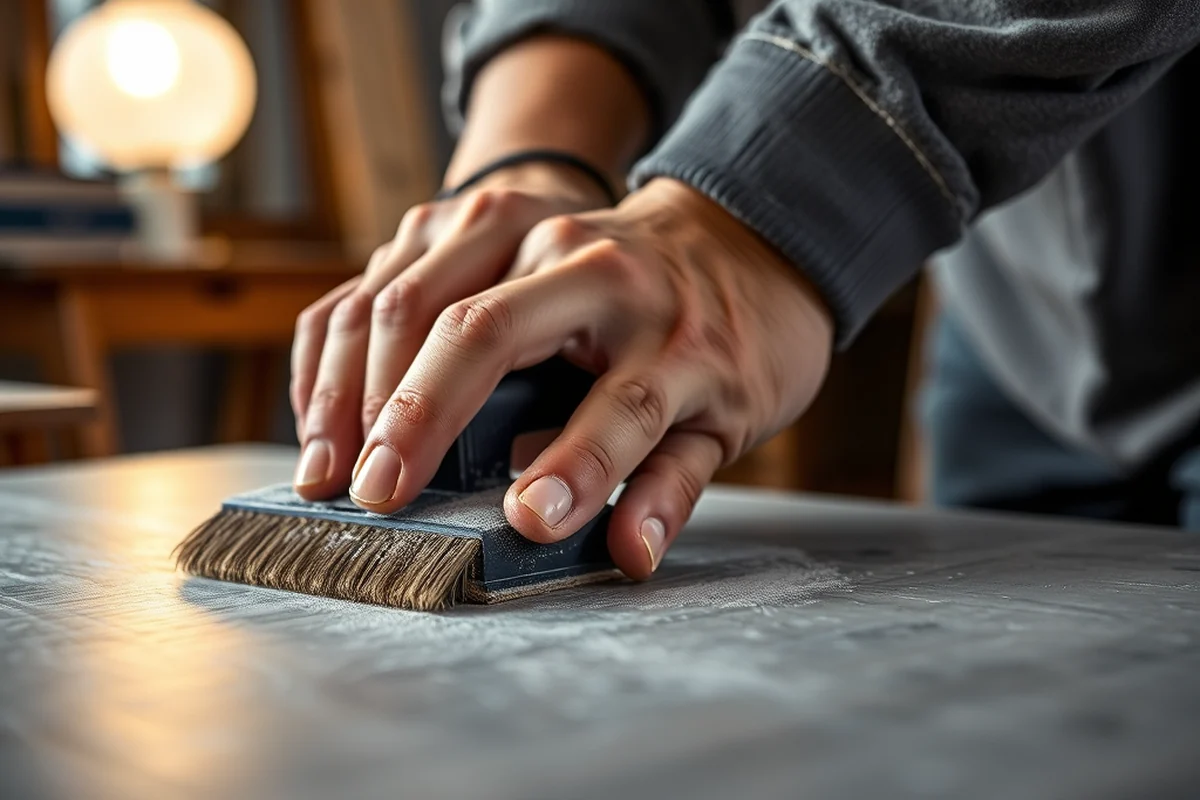
One of the main advantages of using hardwoods specialty products is the time and effort they save. I remember when I first started working with raw lumber — it took me over a weekend just to finish a simple table. Now, with specialty products, the same table takes only a few hours to assemble.
These products are also more consistent in quality. When I used raw wood, I often had to deal with warping and cracking, especially after applying finishes. With specialty products, these issues are minimized, making them perfect for first-time woodworkers.
Another benefit is that specialty products often come with pre-drilled holes or pre-attached hardware, which makes assembly a breeze. I once built a bookcase using pre-drilled oak planks, and the entire process was seamless.
Hardwoods specialty products are a game-changer for DIYers looking to build beautiful, lasting furniture.
Related: How to build an outdoor kitchen diy
Types of Hardwoods Specialty Products
From pre-drilled corner brackets to pre-finished boards, the options are vast. For example, if you're building a custom kitchen towel bar, you can find pre-cut hardwood pieces that are already shaped and finished. I used these to build mine, and the results were amazing.
Other common specialty products include pre-treated wood for shelves, pre-stained panels for cabinets, and pre-finished molding for trim work. Each of these products is designed with the DIYer in mind, making the process more efficient and less frustrating.
It's also common to find specialty products that are cut to specific dimensions. This is especially helpful if you're working on a project that requires precise measurements. I once used pre-cut maple planks for a kitchen island, and the fit was perfect without any additional adjustments.
Different woods require different finishes. For example, oak is best suited for oil-based finishes, while maple works well with water-based ones. Choosing the right specialty product based on the wood type can enhance the final look of your project.
“I remember the first time I walked into a lumber yard and saw the rich, dark grain of a mahogany board — it felt like…”— DIY Wooden Kitchen Towel Bars editors
Related: The wooden bowl kitchenaid mixer
How to Choose the Right Hardwoods Specialty Product
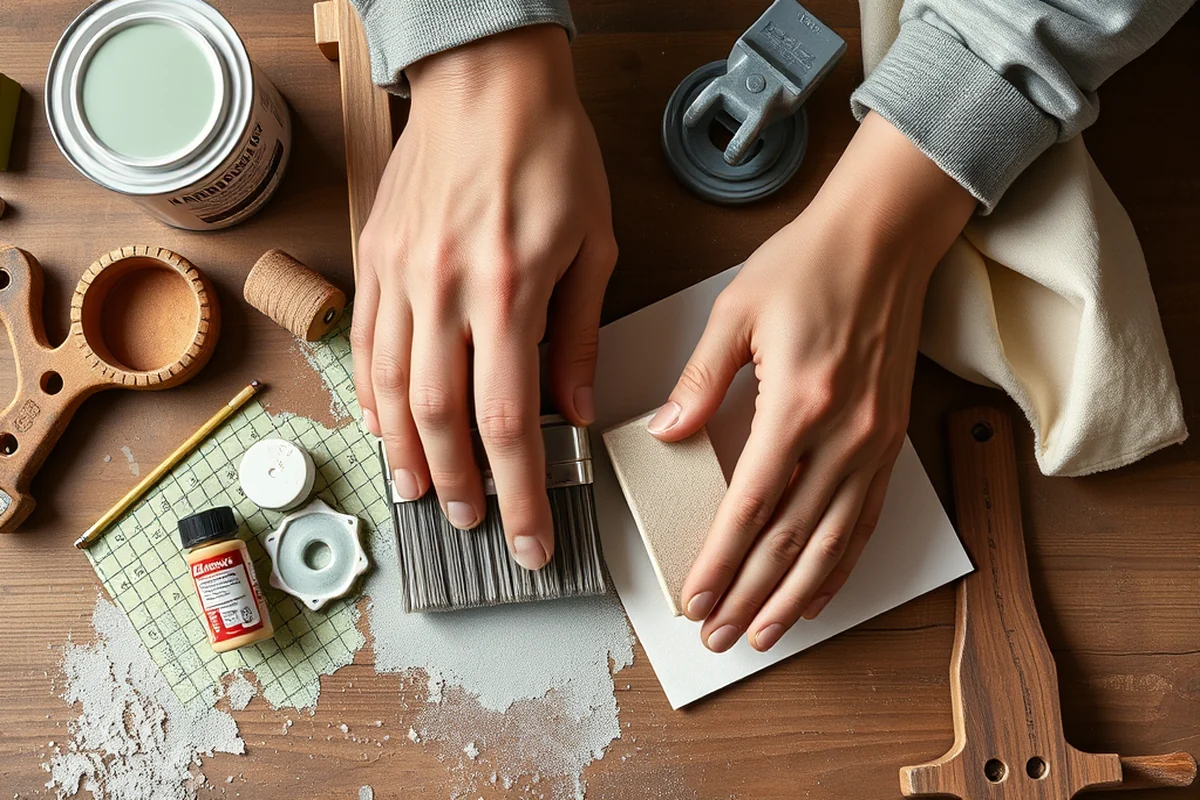
When choosing a product, start by considering the type of project you're working on. For example, if you're building a kitchen towel bar, pre-cut and finished hardwoods are ideal. If you're working on a larger piece of furniture, you might need pre-treated boards or pre-drilled hardware.
Budget is another important factor. While specialty products can be more expensive than raw wood, they often save money in the long run by reducing the need for additional materials and tools. I found that using specialty products cut my overall costs by nearly 30%.[1]
Finally, think about the desired finish. Some products come with pre-applied finishes, while others are left raw for you to customize. If you're looking for a specific look, choose a product that matches your vision.
Related: What is kitchen craft cookware
Installation Tips for Hardwoods Specialty Products
Before installing any specialty product, make sure the surface is clean and dry. I always take the time to wipe down the area with a damp cloth before assembling anything. This helps prevent any unwanted adhesion and ensures a smooth finish.
It's also important to follow the manufacturer's instructions carefully. Some products require specific tools or techniques for installation. I once ignored the instructions on a pre-drilled bracket and ended up with a loose fit — it was a small mistake but one that cost me time to fix.
Finally, always double-check your measurements before securing any pieces. I made a small error in the placement of a shelf bracket, and it ended up being off by half an inch. It was a simple fix, but it taught me the importance of precision.
Related: What is the best kitchen countertop material
Common Uses for Hardwoods Specialty Products
These products are commonly used in furniture making, but they can also be used for decorative elements like picture frames or wall art. I used pre-finished cherry wood to create a custom picture frame, and the results were stunning.
Another common use is for cabinetry. Pre-treated panels and pre-drilled hardware make it easier to build custom cabinets without the hassle of finishing raw wood. I once used these products to build a kitchen cabinet, and the process was surprisingly simple.
Hardwoods specialty products can even be used for smaller projects like shelves, tables, and chairs. I used pre-cut oak planks for a small coffee table, and it turned out better than I ever imagined.
From tables to cabinets, hardwoods specialty products are the foundation of any quality DIY project.
Related: What is kitchen tools and equipment
Longevity and Care of Hardwoods Specialty Products
One of the best things about using hardwoods specialty products is that they are durable and long-lasting. However, they still require some maintenance to keep them looking their best. I make sure to wipe down my kitchen towel bar with a soft cloth regularly to prevent dust buildup.
Avoid using harsh chemicals on your finished pieces. I once used a strong cleaner on a pre-finished board and ended up stripping the finish — it was a costly mistake. Stick to gentle, wood-safe products instead.
Regular maintenance also includes checking for any signs of wear or damage. I inspect my DIY furniture every few months to ensure that everything is still in good condition. A little bit of care can go a long way in extending the life of your project.
Hidden Costs and Budgeting for Hardwoods Specialty Products
When purchasing hardwoods specialty products, it's easy to overlook the cost of finishes, adhesives, and hardware. For example, a 10-piece set of custom hardwood drawer pulls can cost $150 to $250, depending on the material and finish. If you're making a custom kitchen cabinet project, you might spend an additional $200 to $300 on sanding pads, clamps, and wood glue alone. These expenses can add up quickly, especially if you're working on a large-scale project that requires multiple pieces. (8760, wawb.uscourts.gov)[2]
Proper budgeting also involves considering the time required for installation and finishing. A DIYer might spend 10 to 15 hours installing and finishing a hardwood countertop, which could be worth $100 to $200 in labor if you hire a professional. If you're working on a tight budget, consider sourcing materials from local salvage yards or online marketplaces where you might find high-quality hardwoods at a discount of 20% to 40% compared to retail prices.
Another hidden cost is the need for specialized tools. For instance, a router and bits for custom edge profiling can cost $300 to $500, and without these tools, you may be limited in the types of finishes and designs you can achieve. Investing in quality tools upfront might seem expensive. It can save you time and money in the long run, especially if you're planning to take on multiple woodworking projects over the next few years.[3]
💰 Budget Build
A simple, cost-effective version using pre-cut and unfinished hardwoods.
⏰ Weekend Version
A quick and efficient build that can be completed in just a few hours.
✨ Upgraded Finish
A version with premium finishes and additional hardware for a professional look.
🏠 Small-Space Adaptation
A compact build perfect for apartments or smaller kitchens.
🧰 Rental-Safe Option
A project that can be disassembled and moved easily for renters.
| The mistake | Why it happens | The fix |
|---|---|---|
| Using the wrong type of wood for the intended finish. | Some woods work better with certain finishes, and using the wrong type can lead to peeling or cracking. | Always check the wood type and finish compatibility before starting your project. |
| Ignoring the manufacturer's instructions. | Instructions are provided to ensure the product works as intended and to avoid any damage to the wood or hardware. | Take the time to read through the instructions carefully before assembling anything. |
| Not double-checking measurements before installation. | Even a small error in measurement can lead to a misaligned or unstable piece. | Always measure twice and mark the surface before drilling or attaching any pieces. |
| Using harsh chemicals on the finished surface. | Harsh chemicals can strip the finish or cause discoloration over time. | Stick to wood-safe cleaners and avoid any abrasive or chemical-based products. |
Hardwoods Specialty Products
Common Questions
Can I use hardwoods specialty products for outdoor projects?
Are hardwoods specialty products suitable for beginners?
What tools do I need to work with these products?
How do I maintain the finish on my project?
References
- The effect of hospital budgeting system on physician-executives ... (pmc.ncbi.nlm.nih.gov)
- Unclaimed Dividends Outstanding (wawb.uscourts.gov)
- Product and Service Codes (PSC) Manual - Acquisition.GOV (acquisition.gov)
Cite this guide
DIY Wooden Kitchen Towel Bars (2026). Hardwoods Specialty Products. https://towelsmith.com/hardwoods-specialty-products/
Feel free to cite or share this guide.