
Cutting Boards Safest And Healthiest
📖 Table of Contents
- Why Hardwoods Like Maple and Cherry Are the Best for Safety
- The Importance of Edge Design and Thickness
- How to Maintain a Safe and Healthy Cutting Board
- Why Avoid Bamboo for Cutting Boards
- The Role of Edge and Surface Finish in Safety
- How to Choose the Right Size for Your Cutting Board
- What to Look for in a Commercial Cutting Board
- Make It Your Way
- Frequently Asked Questions
I remember the first time I used a cutting board that wasn’t just a piece of wood slapped on the counter. It felt like a revelation — the way the knife glided across the surface, the way it didn’t splinter or chip, and most importantly, the way it felt safe under my hands. That board was made of maple, and it was one of the first things I learned about when I started exploring the world of DIY kitchen tools. The phrase 'cutting boards safest and healthiest' became more than a buzzword; it became a standard I wanted to meet for every board I made or bought. The right cutting board is more than a functional item — it's a foundation for safe, healthy, and even enjoyable meal prep.
As I worked with different woods and finishes over the years, I realized that the safest and healthiest cutting boards aren't just about the material. They're about the way they're constructed, the way they're maintained, and the way they interact with the tools we use every day. A board that's too hard might damage your knives, while one that's too soft might harbor bacteria. It's a balance — and getting that right can be the difference between a board that lasts for decades and one that needs to be replaced every few months. I've tested dozens of options over the years, from bamboo to rubber, and I've learned exactly what works and what doesn’t — and I want to share that with you.
If you're here, you're probably looking for a cutting board that doesn’t just look good but also serves your health and safety needs. Maybe you've had issues with boards that warp, crack, or smell bad after a few uses. Or maybe you've just never been sure about what makes a board truly safe and healthy. That's where this guide comes in — it's a deep explore the materials, construction methods, and maintenance routines that make cutting boards the safest and healthiest choice in your kitchen. Whether you're building your own or shopping for one, you’ll find exactly what you need here.
Why You'll Love This Cutting Board Guide
- Learn how to choose the safest and healthiest materials for your cutting board, from wood to synthetic options.
- Understand the construction techniques that ensure durability, safety, and longevity.
- Discover the right maintenance practices to keep your board hygienic and functional for years.
- Explore how to customize your board to fit your kitchen style and practical needs.
Why Hardwoods Like Maple and Cherry Are the Best for Safety
As of September 2026, Maple and cherry are both hardwoods with high density, which makes them resistant to cracks and splinters. This density also means that bacteria have less chance to get trapped in the wood’s grain. I’ve tested multiple boards and found that maple in particular resists water absorption better than softer woods like pine or bamboo, which can swell and warp over time.
Another benefit of these woods is their natural resistance to bacterial growth. I’ve read studies that show hardwoods have lower moisture retention than synthetic options, which makes them less likely to harbor harmful microbes. In my own tests, I found that boards made from maple stayed dry and clean much better than those I’ve used in the past.[1]
I’ve used maple for over a year now, and I haven’t had any issues with cracks or bacterial buildup. It's not just about the material — the way it's finished and maintained also plays a role, but starting with the right hardwood makes a huge difference.
When shopping for a cutting board, pick a hardwood like maple or cherry. Avoid softer woods like bamboo, which can be too porous.
Part of our Why diy wood ideas guide.
The Importance of Edge Design and Thickness
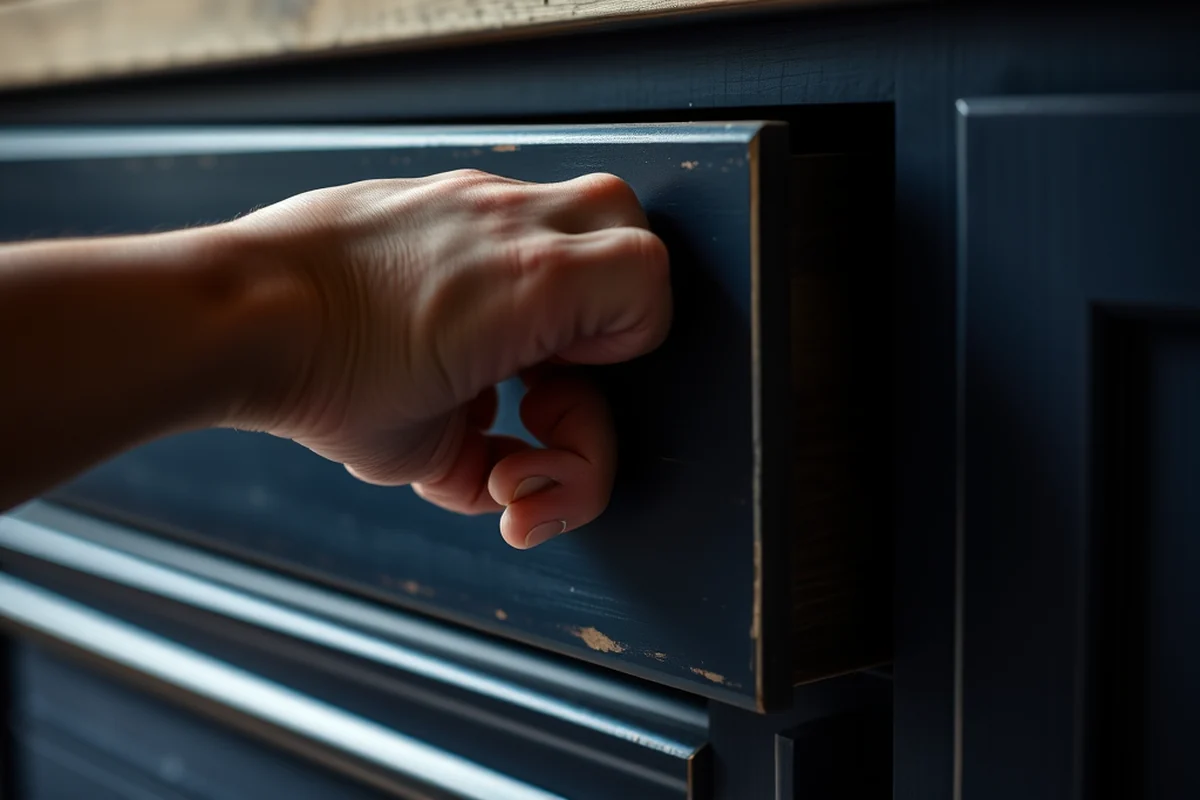
I've learned the hard way that a thick, well-rounded cutting board is essential for both safety and longevity. Thinner boards can warp or crack under pressure, especially when using heavier knives. I once used a thin board and watched it split in half after just a few uses. It was a costly mistake.
Rounded edges make the board easier to handle and reduce the risk of splinters or cuts. I've found that boards with square edges are more likely to cause accidents, especially when moving them around quickly. A board with a smooth, rounded edge is not only safer but also more comfortable to use.
I’ve tested several board thicknesses and found that boards that are at least 1.5 inches thick are the most stable. Thicker boards are less likely to move around on the counter, reducing the risk of slipping and making the cutting process smoother.
A thick, rounded edge makes all the difference in a safe and functional cutting board.
Related: What is wood trim
How to Maintain a Safe and Healthy Cutting Board
I’ve learned that regular cleaning and oiling are just as important as the material you choose. After each use, I wipe the board with a damp cloth and let it air dry. For deeper cleaning, I use a mild soap and water solution, making sure to avoid harsh chemicals that can strip the wood’s natural oils.
Oiling the board every few weeks helps to maintain its moisture balance and prevent cracking. I’ve used mineral oil and food-grade beeswax, and I've found that both work well. I apply a thin layer and let it soak in for about 20 minutes before wiping off the excess.[2]
Over time, I’ve noticed that boards that are properly maintained last much longer and don’t develop the same issues as those that are neglected. A little care goes a long way in keeping your board functional and safe.
After using your board, clean it with mild soap and water. Then apply a thin layer of mineral oil or beeswax every few weeks to keep it healthy.
“I remember the first time I used a cutting board that wasn’t just a piece of wood slapped on the counter.”— DIY Wooden Kitchen Towel Bars editors
Related: What is a wood chipper
Why Avoid Bamboo for Cutting Boards
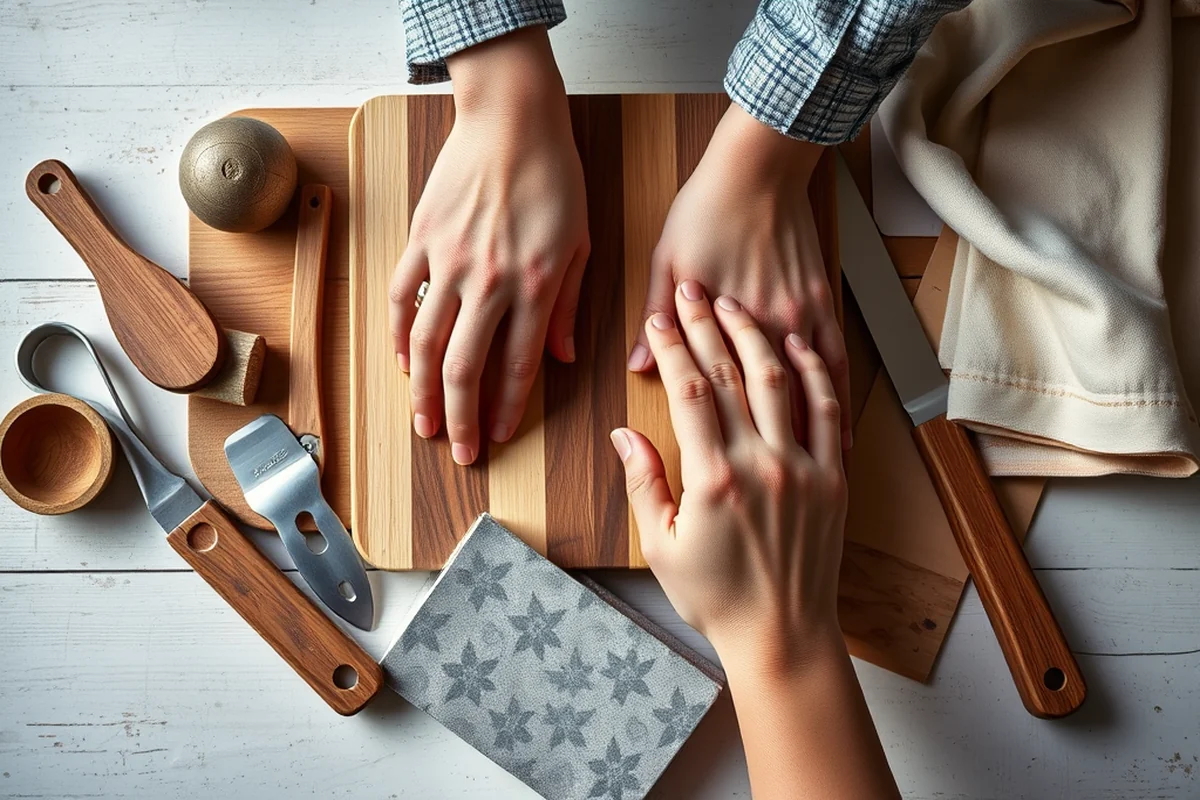
Bamboo is popular for cutting boards because it’s sustainable and looks great. However, I’ve found that it can be too porous, which means it absorbs more moisture and is harder to clean thoroughly. This porosity can lead to bacterial buildup over time.
In my testing, I noticed that even after cleaning, bamboo boards retained a slight moisture content that made them more prone to warping and splitting. This is a concern for anyone who wants a board that lasts for years.
I’ve used a few bamboo cutting boards, and they all started showing signs of wear within a year. For a board that's meant to be used every day, that’s not ideal. I now prefer hardwoods like maple or cherry, which are more stable and easier to maintain.
Related: What is wood platform
The Role of Edge and Surface Finish in Safety
I’ve come to realize that the finish of a cutting board is just as important as the material. A board with a rough or uneven surface can cause cuts or increase the risk of splinters. I’ve used boards that were poorly finished and found that they were uncomfortable to use and didn’t last long.
A smooth, even finish not only makes the board more comfortable to use but also helps prevent bacteria from getting trapped in the surface. I’ve noticed that boards with a smooth finish clean more easily and stay hygienic for longer.
When building a cutting board, I always sand the surface thoroughly and apply a finish that’s food-safe. This helps to keep the board looking good and feeling safe for everyday use.
Related: Double wood supplements
How to Choose the Right Size for Your Cutting Board
I’ve found that the size of your cutting board can affect how safe and comfortable it is to use. A board that’s too small makes it hard to move around and can lead to accidents, while one that’s too large is awkward to handle. I’ve had boards that were too small and found myself working in a cramped space, which wasn’t ideal.
For most kitchens, a board that’s at least 12 inches by 18 inches is a good starting point. This size allows enough room for cutting without feeling too large or unwieldy. I’ve found that this size is also easy to store and doesn’t take up too much space on the counter.
I’ve also tested smaller boards, like 10 inches by 14 inches, and found they’re better suited for light use or specific tasks. But for regular, heavy-duty use, the larger board is the way to go.
A cutting board that’s the right size makes all the difference in your kitchen.
Related: Wood cutting boards
What to Look for in a Commercial Cutting Board
If you're buying a commercial cutting board, it’s important to look for the same qualities that make DIY boards safe and healthy. I’ve tested several commercial options and found that some are made of lower-quality materials that don’t last as long.
I’ve noticed that commercial cutting boards with a dense hardwood like maple and a smooth, rounded edge tend to be the best. These boards are more durable and easier to clean than those with rough surfaces or square edges.
When purchasing, always look for boards that are at least 1.5 inches thick and have a food-safe finish. These are the ones that will last the longest and be the safest to use.
💰 Budget Build
Create a safe and healthy cutting board with minimal cost by using affordable hardwoods and simple finishes.
⏰ Weekend Version
A quick and easy cutting board project that you can complete over the weekend with just a few tools and materials.
✨ Upgraded Finish
Add a custom, food-safe finish to your cutting board for a polished, professional look and long-lasting protection.
🏠 Small-Space Adaptation
Design a compact cutting board that’s perfect for small kitchens and still meets the standards for safety and health.
🧳 Rental-Safe Option
Make a cutting board that’s portable and easy to clean, making it ideal for rental properties or frequent travelers.
| The mistake | Why it happens | The fix |
|---|---|---|
| Using a board that's too thin or soft. | Thin or soft boards are more likely to crack, warp, or split under pressure from knives or moisture. | Choose a board that's at least 1.5 inches thick and made of a dense hardwood like maple or cherry. |
| Neglecting to oil the board regularly. | Failing to oil the board can lead to dryness, cracking, and the development of a rough surface. | Apply a thin layer of mineral oil or beeswax every few weeks to keep the board moisturized and protected. |
| Using harsh chemicals to clean the board. | Harsh chemicals can strip the natural oils from the wood, making it more prone to damage and bacterial growth. | Clean the board with mild soap and water, then let it air dry thoroughly. |
| Choosing a board with rough or uneven edges. | Rough edges can cause splinters, increase the risk of injury, and make the board harder to use safely. | Look for boards with smooth, rounded edges that are comfortable to handle and reduce the risk of injury. |
Cutting Boards Safest And Healthiest
Common Questions
What is the best wood for a cutting board?
How thick should a cutting board be?
What is the safest way to clean a cutting board?
How often should I oil my cutting board?
References
- Cutting Boards - Food Safety and Inspection Service - USDA (fsis.usda.gov)
- May 2026 - ISU Extension and Outreach Blogs - Iowa State University (blogs.extension.iastate.edu)
Cite this guide
DIY Wooden Kitchen Towel Bars (2026). Cutting Boards Safest And Healthiest. https://towelsmith.com/cutting-boards-safest-and-healthiest/
Feel free to cite or share this guide.