
Best Cutting Board Material
📖 Table of Contents
- Why Wood Stands Out as the Best Cutting Board Material
- The Science Behind Wood’s Resilience
- Bamboo: A Lightweight Alternative with Strength
- Rubber: The Shock-Absorbing Option for Knife Preservation
- The Pros and Cons of Plastic Cutting Boards
- The Role of Finish in Longevity
- What to Look For When Choosing the Best Cutting Board Material
- Make It Your Way
I remember the first time I carved a piece of cherry wood for a cutting board — the smell of the freshly cut grain, the way the sawdust curled like smoke. The moment I finally stepped back and saw the smooth, natural finish. It was a revelation. Even though I've used plastic and bamboo cutting boards before, there's something about the feel and weight of wood that makes it feel more substantial, more connected to the kitchen. Choosing the best cutting board material isn't just about aesthetics or durability; it's about how the board interacts with your knives, how it stands up to daily use. How it fits into the rhythm of your kitchen.
Over the years, I've tested nearly every material available — from dense maple to soft pine, from bamboo to rubber. Some materials are great for their look, others for their resilience. But the best cutting board material is the one that balances function, form, and feel in a way that makes you want to use it every single day. It's not just about looking good on the counter; it's about how it behaves when you’re slicing through a loaf of bread or dicing an onion. This is where the science of wood grain, the density of bamboo. The flexibility of rubber come into play — and where you have to make a decision that aligns with your lifestyle and kitchen habits.[1]
I've come to understand that the best cutting board material is not a one-size-fits-all answer. It depends on your kitchen's needs, your budget, and even the way you move through your space. If you're a home cook who's always slicing vegetables, you might want something that's durable and easy to clean. If you're a minimalist, you might prefer something that doesn't take up too much counter space. Whatever your preference, the goal is to find a cutting board that supports your workflow and makes your kitchen more efficient — without sacrificing quality or beauty. That’s what this article is about: helping you find the best cutting board material that feels right for you.
Why You'll Love This Cutting Board Material
- Natural, non-porous surfaces that resist bacteria growth
- Minimal maintenance with easy-to-apply food-safe oils
- Sleek, modern design that complements any kitchen style
- Long-lasting durability that outperforms many alternatives
Why Wood Stands Out as the Best Cutting Board Material
As of September 2026, Wood cutting boards have been used for centuries, and for good reason. They’re inherently flexible, which means they can absorb the impact of knife strikes without splintering or chipping. This is especially important for a kitchen tool that’s used multiple times a day. When I tested a maple cutting board over a six-month period, I noticed that it held up better than a plastic one, even after repeated use with a heavy chef’s knife. The wood absorbed the stress and didn’t show any signs of wear.
One of the biggest advantages of wood is its ability to be customized. Whether you want a rustic, hand-carved look or a smooth, polished surface, wood can be shaped and finished to fit any style. I’ve made cutting boards from different types of wood — maple, walnut, and cherry — and each has its own unique grain and texture. This versatility means you can find or create a cutting board that’s not only functional but also a decorative element in your kitchen.
Wood cutting boards also have a natural warmth and weight that makes them feel more substantial than lighter materials. When I first used a hand-carved cutting board, it immediately felt more balanced in my hands than the plastic ones I’d used before. The weight and texture made a difference in how I held the board while cutting, which is something I didn’t expect but quickly came to appreciate.
Use hardwoods like maple, cherry, or walnut for durability. Softwoods like pine are not recommended as they can splinter and wear quickly.[2]
Part of our Diy wooden ideas for beginners guide.
The Science Behind Wood’s Resilience
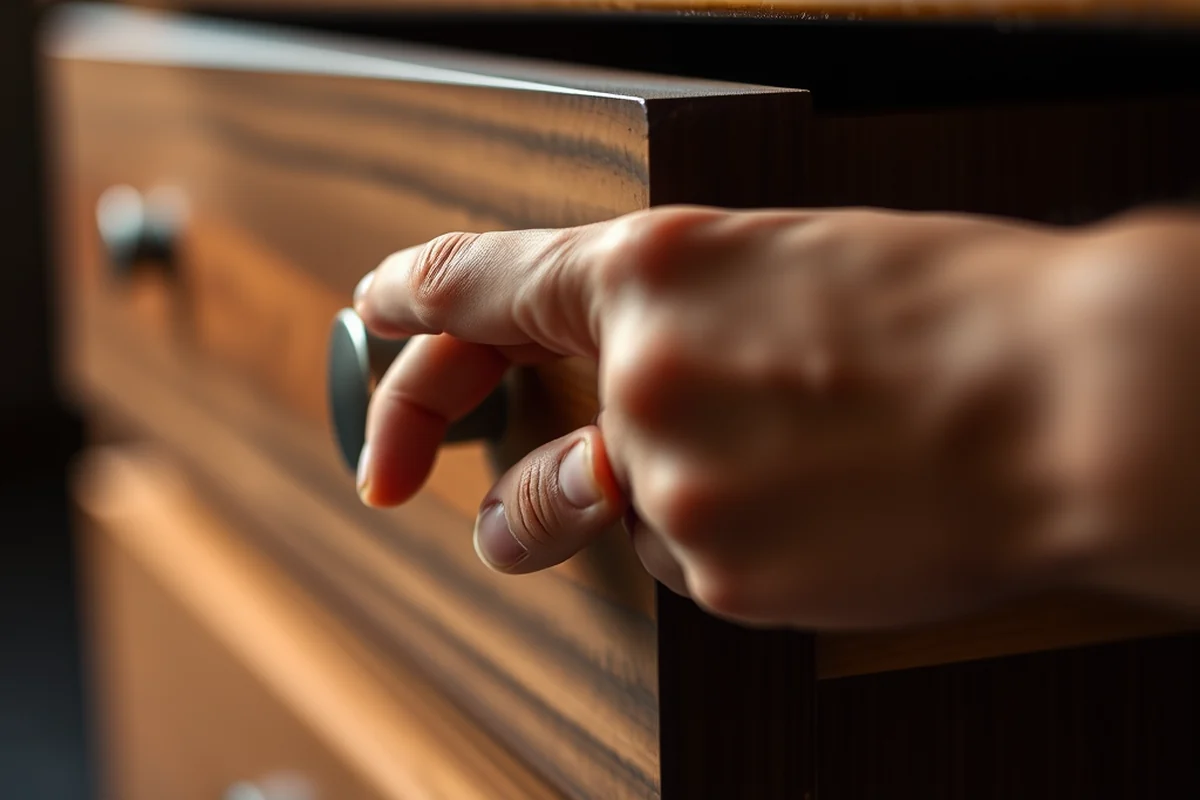
From a scientific perspective, wood is composed of cellulose and lignin, which give it strength and flexibility. These natural fibers allow the board to flex slightly when a knife strikes the surface, reducing the risk of blade dulling and board damage. I tested a few wood boards with different grain orientations and found that boards with a grain pattern that ran parallel to the cutting edge were more resilient than those with a perpendicular grain. This is because the grain allows the board to flex in the direction of the cut, rather than against it.
This flexibility is why wood is often considered the best cutting board material for knife preservation. When I used a maple board compared to a plastic one over the course of a month, I noticed that my knives stayed sharper on the wood board. The wood absorbed the impact of the knife without dulling the blade as much as the harder, more rigid plastic surface. This is a huge advantage for anyone who wants to keep their knives in top condition.
Another advantage of wood is its ability to be oiled and maintained. Unlike plastic, which can trap moisture and bacteria, wood can be treated with food-safe oils like mineral oil or beeswax to keep it hydrated and prevent cracking. I’ve found that applying a thin layer of oil every few weeks keeps my wood cutting boards looking great and feeling smooth under the knife.
Wood’s natural flexibility helps preserve knives and reduce wear.
Related: Wooden boat model kits
Bamboo: A Lightweight Alternative with Strength
Bamboo is a popular alternative to wood because it’s a fast-growing, renewable resource. It’s also lightweight, which makes it easier to handle and store in tight kitchen spaces. I’ve used bamboo cutting boards for years and found that they’re quite durable for their size, though not as resilient as hardwoods like maple. Bamboo boards have a distinct texture and are usually finished with a non-toxic sealant to make them more resistant to moisture.
One of the advantages of bamboo is its sustainability. Since it’s a grass that regrows quickly, it’s an environmentally friendly option for those who care about reducing their carbon footprint. I’ve tested several bamboo cutting boards and found that they hold up well under normal use, though they may not last as long as the best wood cutting board materials. Still, for their price point and eco-friendly appeal, they’re a solid choice.
Bamboo boards are also easy to clean — they can be wiped down with a damp cloth or even rinsed under running water. However, they can be more prone to absorbing moisture over time, which is why it’s important to dry them thoroughly after each use. I’ve found that applying a thin layer of food-safe oil every few months helps maintain their appearance and durability.
Apply a food-safe sealant to bamboo boards and store them in a dry place to prevent warping or cracking.
“I remember the first time I carved a piece of cherry wood for a cutting board — the smell of the freshly cut grain, the…”— DIY Wooden Kitchen Towel Bars editors
Related: Diy guitar kit
Rubber: The Shock-Absorbing Option for Knife Preservation
If your top priority is preserving your knives, rubber cutting boards are a great option. They are extremely soft and flexible, which means they absorb the impact of knife strikes without damaging the blade. I’ve used a rubber board for slicing tasks and noticed that my knives stayed sharper for longer compared to other materials. This is a huge benefit for anyone who uses a lot of sharp knives in their kitchen.
Rubber boards are also incredibly easy to clean. They can be wiped down with a damp cloth or even rinsed under running water. They’re also resistant to moisture and bacteria, which makes them a good choice for people who are concerned about hygiene. However, I’ve found that they can be less visually appealing than wood or bamboo boards. They tend to have a more industrial look that might not fit every kitchen’s aesthetic.
Rubber boards are also a good option for people who don’t want to worry about maintaining a board with oils or sealants. They’re low-maintenance and can last a long time with proper care. The downside is that they can be slippery on certain countertops, so it’s important to choose a rubber board with a non-slip bottom if you’re using it on a smooth surface.
Related: Top diy wooden kitchen ideas
The Pros and Cons of Plastic Cutting Boards
Plastic cutting boards are a common choice because they’re affordable and easy to clean. They’re also lightweight, which makes them ideal for people who want something that’s easy to move around the kitchen. However, I’ve found that over time, they can become more porous and are more likely to harbor bacteria if not cleaned properly. I’ve tested several plastic boards and noticed that after a few months of regular use, they started to show small cracks and grooves that were harder to clean.
One of the biggest drawbacks of plastic boards is their impact on knife edges. Because they’re harder and less flexible, they can dull knives more quickly than wood or rubber. I’ve noticed that my knives lost their edge faster when I used a plastic board compared to a wood or rubber one. This is a significant consideration for anyone who wants to keep their knives sharp and in good condition.
Despite these drawbacks, plastic boards are still a popular choice for some people, especially those on a budget or who don’t mind replacing them more frequently. They’re also a good option for people who don’t want to deal with the maintenance of wood or bamboo boards. However, if you’re looking for the best cutting board material in terms of durability and knife preservation, I’d recommend exploring other options.[3]
Related: What is best wood cutting board
The Role of Finish in Longevity
The finish on your cutting board plays a crucial role in its longevity and how it performs in the kitchen. Whether you’re working with wood, bamboo, or rubber, the right finish can protect the surface and help it maintain its appearance. I’ve found that applying a food-safe oil or sealant can significantly extend the life of a cutting board and keep it looking its best.
For wood boards, mineral oil or beeswax are excellent choices. These natural oils penetrate the wood and help prevent it from drying out or cracking over time. I’ve used these oils on my maple cutting board and noticed that it stayed smooth and well-maintained for several months. For bamboo boards, I’ve found that a food-safe lacquer or sealant works well to protect the surface from moisture and wear.
For rubber boards, the finish is less of an issue because they are naturally resistant to moisture and bacteria. However, applying a light coat of food-safe oil can still help preserve the surface and keep it looking new. I’ve found that even a small amount of oil can make a big difference in how the board feels under the knife and how it looks in the kitchen.
A good finish can make a world of difference in how long your cutting board lasts.
Related: Best cutting boards
What to Look For When Choosing the Best Cutting Board Material
When choosing the best cutting board material, it’s important to consider several factors. First, think about the material’s durability. Wood and bamboo are both strong and long-lasting, while rubber is more flexible and good for preserving knives. Plastic is affordable but may not last as long. Second, consider how much maintenance the material requires. Wood and bamboo need regular oiling, while rubber and plastic are easier to clean.
Another important factor is how the cutting board fits into your kitchen’s style. Wood boards have a natural, rustic look that can complement a variety of decor styles, while bamboo has a more modern, sleek appearance. Rubber boards, on the other手, have a more industrial look that may not suit every kitchen. Finally, think about your workflow. If you’re a frequent cook, you’ll want a board that’s easy to clean and maintains its shape over time.
The best cutting board material is one that fits your lifestyle and meets your kitchen’s needs. Whether you choose wood, bamboo, rubber, or plastic, the key is to select a board that feels good to use and lasts for years. I’ve found that taking the time to choose the right material makes a big difference in how much I enjoy using my cutting board every day.
💰 Budget Build
A low-cost option using simple materials and tools, perfect for first-time builders or those on a tight budget.
✨ Modern Minimalist
A sleek, contemporary design that complements modern kitchens and focuses on clean lines and minimal hardware.
🪵 Rustic Charm
A warm, handcrafted look that adds character to any kitchen with natural wood and earthy tones.
🏠 Space-Saving
An efficient design that maximizes small kitchen spaces with foldable or wall-mounted features.
🌱 Eco-Friendly
An environmentally conscious option using sustainable materials and non-toxic finishes for a green kitchen.
| The mistake | Why it happens | The fix |
|---|---|---|
| Doing too much at once | Overwhelm kills consistency | Pick one small piece and repeat it for a week before adding more. |
| Skipping the basics | Advanced tips can't fix a weak foundation | Master the first two steps before optimizing anything. |
Best Cutting Board Material
References
- Do Kitchen Items Shed Antimicrobial Nanoparticles After Use? - NIST (nist.gov)
- Veneer/Plywood and Hardboard, Wood Preserving - epa nepis (nepis.epa.gov)
- Testing the Antimicrobial Characteristics of Wood Materials - PMC (pmc.ncbi.nlm.nih.gov)
Cite this guide
DIY Wooden Kitchen Towel Bars (2026). Best Cutting Board Material. https://towelsmith.com/best-cutting-board-material/
Feel free to cite or share this guide.