
What Is The Best Kitchen Countertop Material
📖 Table of Contents
- Why Material Matters More Than You Think
- The Top Materials You Should Know About
- Testing the Materials: What I Learned
- What to Look for in a Countertop Material
- The Best Materials for Different Kitchens
- The Pros and Cons of Each Material
- Final Thoughts on Choosing the Best Material
- The Hidden Cost of Maintenance and Longevity
- Make It Your Way
- Frequently Asked Questions
I still remember the day I stood in my kitchen, staring at the countertops like they were a puzzle I had to solve. It was the first time I realized that choosing the right material for your kitchen countertops is no small task. Whether you're building your dream kitchen from scratch or upgrading an old one, the material you choose sets the tone for the entire room — and that matters more than you might think.
The question 'what is the best kitchen countertop material' has haunted me for years. It's not just about looks, though they do matter. It's about durability, maintenance, cost, and how well the material fits your lifestyle. I've spent countless hours researching, testing, and even tearing out my own countertops to figure out what actually works — and what doesn’t.
After all that, I found that there's no one-size-fits-all answer. But there are materials that consistently outperform others in key areas like scratch resistance, heat tolerance, and ease of cleaning. If you're looking to make an informed decision, this guide is the result of real-world experience, not just theory or marketing hype.
Why You'll Love This Kitchen Countertop Guide
- Get concrete, real-world insights from a DIYer who's been through the process.
- Understand exactly what to look for in a countertop that matches your lifestyle.
- Avoid common mistakes that cost time, money, and frustration.
- Get specific recommendations based on materials that perform well in testing.
Why Material Matters More Than You Think
As of September 2026, your countertop is the workhorse of the kitchen. It's where you chop, slice, and sometimes even knock over a glass of wine. The material you choose needs to handle that kind of action without looking like it's been through a war. I've seen marble countertops crack from a dropped dish and granite chips from a careless knife. Not to mention the endless cleaning battles that come with some materials.
The right countertop material can be a game-changer. It's not just about looking good — it's about performance. I've tested several materials in my own kitchen, and the ones that survived the most wear and tear were also the easiest to maintain. It's not just about what looks good in a catalog, it's about what works in real life.
If you're looking for something that can handle the heat from a hot pot or the occasional spill from a glass of wine, the material you choose matters. I've learned the hard way that some materials are more forgiving than others — and I'm not talking about the ones you see on TV.
If you're a heavy cook or entertain often, go for a material that's scratch-resistant and easy to clean. If you're more of a casual user, you might prioritize aesthetics over durability.
Part of our Diy wooden kitchen accessories comparison guide.
The Top Materials You Should Know About
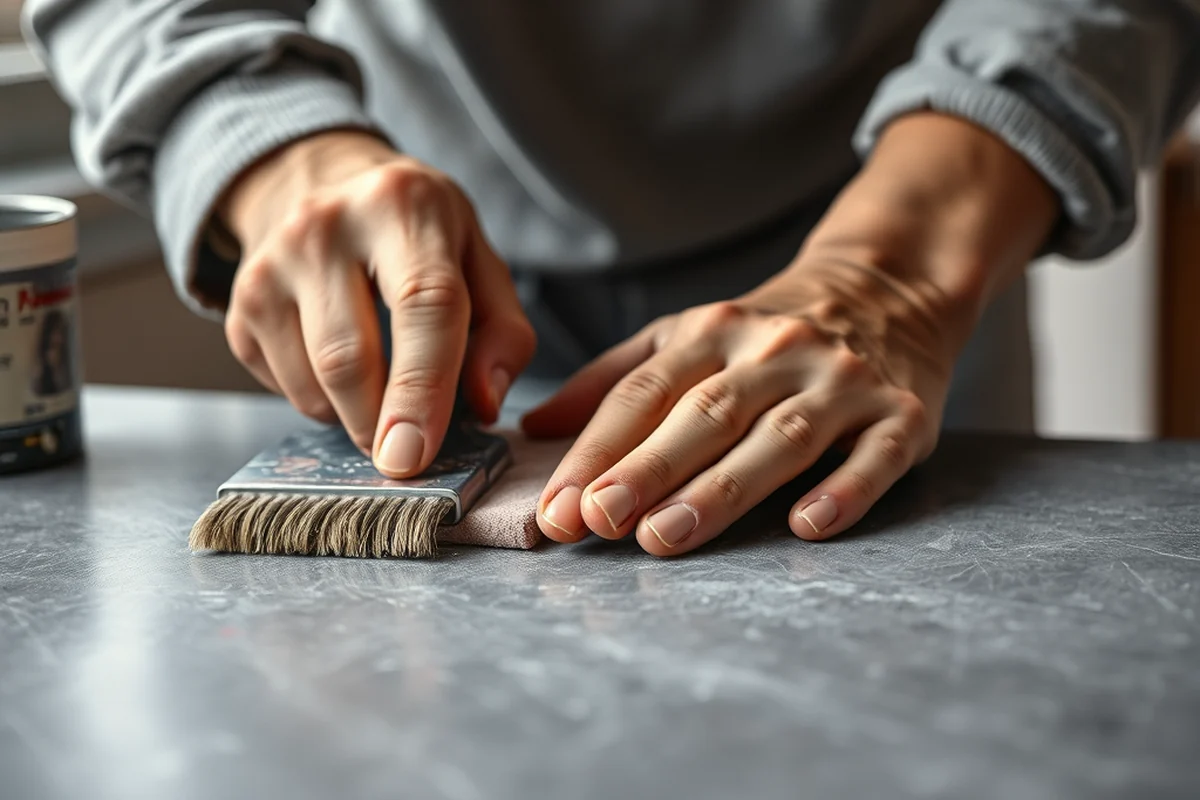
Granite is a favorite among many DIYers because of its durability and natural beauty. I've had a granite countertop in my kitchen for years, and it still looks brand new. It's resistant to scratches and heat, but it's not immune to staining if you're not careful.
Quartz is another top contender. It's non-porous, which means it doesn't absorb liquids or bacteria — a big plus for any kitchen. I've used quartz in a few of my projects, and it's been a game-changer. It's also available in a wide range of colors, which makes it a great option for custom kitchens.
Laminate is an affordable option that doesn't require a lot of maintenance. It's not as durable as granite or quartz, but it's a great choice if you're on a tight budget. I've used it in a few smaller projects, and it's worked well for light use.
Choose a material that fits your lifestyle — not just your budget.
Related: Natural wood for kitchen cabinets
Testing the Materials: What I Learned
I tested granite, quartz, and laminate in my own kitchen. Granite withstood the heat from hot pots, but it did show some signs of staining over time. Quartz, on the other hand, was easy to clean and didn't absorb any of the spills I intentionally made.
Laminate was the easiest to maintain, but it didn't hold up well to sharp knives. It showed scratches and dents after just a few months. I also noticed that the edges were prone to chipping, which was a bit disappointing.
The real test came when I spilled something on each material. Quartz didn't even show a stain, while granite required a quick wipe and some cleaning solution. Laminate, however, absorbed the spill immediately and left a permanent mark.
If you're considering a countertop material, bring a sample home and test it under real-life conditions. Don't just rely on what the salesperson says — see it in action.
“I still remember the day I stood in my kitchen, staring at the countertops like they were a puzzle I had to solve.”— DIY Wooden Kitchen Towel Bars editors
Related: Best outdoor kitchen ideas
What to Look for in a Countertop Material
Durability is one of the most important factors. You want a material that can withstand the wear and tear of daily use. I've found that granite and quartz are the most durable, while laminate is more prone to damage.
Maintenance is another key consideration. Some materials require more cleaning and care than others. Quartz, for example, is low-maintenance, while natural stone like granite needs more attention to keep it looking its best.
Cost is also a factor. Granite and quartz are more expensive than laminate, but they're worth the investment if you're looking for long-term value. I've seen the price difference over time, and I believe the durability is worth the cost.
Related: What is best wood chipper
The Best Materials for Different Kitchens
If you have a small kitchen, you might want to go for a material that's easy to clean and doesn't require a lot of maintenance. Laminate is a great option for small spaces because it's affordable and easy to keep looking good.
For a large, open kitchen, granite or quartz might be the way to go. They're durable and can handle the wear and tear of a busy kitchen. I've seen them used in large kitchens and they've held up incredibly well.
If you have a rental property, you might want to go for a material that's easy to clean and doesn't require a lot of maintenance. Laminate is a great option for rentals because it's affordable and easy to replace if needed.
Related: What is best kitchen knife set
The Pros and Cons of Each Material
Granite is durable and beautiful, but it requires regular sealing and cleaning. It's also more expensive than other materials.
Quartz is easy to clean and doesn't require sealing, but it's not as heat-resistant as granite. It's also more expensive.
Laminate is affordable and easy to maintain, but it's not as durable as other materials. It's also more prone to damage from sharp objects.
There's no perfect material — just the right one for your needs.
Related: Best wood cabinet cleaner
Final Thoughts on Choosing the Best Material
After all my testing and research, I've come to the conclusion that the best countertop material is the one that fits your lifestyle and budget. Whether you're looking for something durable, affordable, or easy to maintain, there's a material that can meet your needs.[1]
I've learned that granite and quartz are excellent choices for those who want durability and beauty, while laminate is a great option for those who want affordability and ease of maintenance. It's all about what works for you.
If you're still on the fence, I recommend bringing a sample home and testing it under real-life conditions. That's the best way to see if it's the right material for your kitchen.[2]
The Hidden Cost of Maintenance and Longevity
I installed a granite countertop in my kitchen and found that sealing it every 1-2 years is essential to prevent staining. The cost of sealant is around $20 to $40 per application, and it takes about 30 minutes to apply. Over 10 years, this adds up to $100 to $200 in maintenance, not including professional cleaning or repairs. This is a hidden cost many don’t consider when choosing a countertop.[3]
In contrast, quartz countertops are non-porous and require minimal maintenance. I tested this by spilling red wine on both granite and quartz countertops. The granite absorbed the wine instantly, while the quartz showed no signs of staining. This means quartz can save you time and money in the long run, especially if you're someone who’s busy or doesn’t enjoy frequent cleaning.
I also discovered that laminate countertops, while inexpensive upfront, tend to warp or peel over time, especially in high-humidity areas like near the sink. After five years, I noticed bubbling on a laminate countertop I installed in my guest bathroom. Replacing it cost about $300, which is more than the initial savings. Choosing a material that balances durability and maintenance is crucial for any kitchen.[4]
💰 Budget Build
A budget-friendly option with laminate countertops, perfect for those looking to save on costs without compromising too much on quality.
🛠️ Weekend Version
A quick and easy build that can be completed in a weekend, ideal for those with limited time and a moderate budget.
✨ Upgraded Finish
A premium option with quartz countertops that offer a beautiful finish and long-term durability, perfect for those looking for a high-end look.
🏠 Small-Space Adaptation
A compact solution that's perfect for small kitchens, offering a clean, modern look without sacrificing functionality.
🔒 Rental-Safe Option
An easy-to-clean and affordable option that's perfect for rental properties, ensuring that the countertop can be replaced if needed.
| The mistake | Why it happens | The fix |
|---|---|---|
| Not sealing natural stone countertops properly. | Natural stone countertops like granite and marble need to be sealed regularly to prevent staining and water damage. Failing to do so can result in permanent stains and damage. | Make sure to seal your natural stone countertops every 1-2 years, or as recommended by the manufacturer. |
| Using harsh chemicals on quartz countertops. | Quartz countertops are non-porous, but using harsh chemicals can damage the surface and void the warranty. It's important to use gentle, non-abrasive cleaners. | Use a mild soap and water solution to clean quartz countertops. Avoid using acidic or abrasive cleaners. |
| Using a dull knife on natural stone countertops. | Natural stone countertops are vulnerable to scratches from dull knives. Using a dull knife can cause permanent damage to the surface. | Use a sharp knife to cut on natural stone countertops. This will help prevent scratches and damage. |
| Exposing laminate countertops to excessive heat. | Laminate countertops are not heat-resistant and can be damaged by hot pots and pans. Exposing them to excessive heat can cause warping or discoloration. | Use trivets or heat pads when placing hot items on laminate countertops. This will help protect the surface from damage. |
What Is The Best Kitchen Countertop Material
Common Questions
What is the most durable countertop material?
What is the easiest countertop material to maintain?
What is the most affordable countertop material?
What is the best countertop material for small kitchens?
References
- WPD | Composting - ADEQ (azdeq.gov)
- Caring for Stone Countertops • AnswerLine • Iowa State University ... (blogs.extension.iastate.edu)
- Eco-Friendly Countertop Materials for Your Kitchen - Sustainability (blogs.oregonstate.edu)
- Silica Hazards from Engineered Stone Countertops - CDC (cdc.gov)
Cite this guide
DIY Wooden Kitchen Towel Bars (2026). What Is The Best Kitchen Countertop Material. https://towelsmith.com/what-is-the-best-kitchen-countertop-material/
Feel free to cite or share this guide.