
What Is A Solid Wood Door
📖 Table of Contents
The first time I walked into a home with solid wood doors, I felt something I hadn't in years — a sense of warmth, weight, and permanence. It was like stepping into a storybook, where every detail had been thoughtfully crafted. Unlike the hollow, cheap feel of pre-finished doors I'd installed before, these doors had a presence, a character that spoke to the quality of the wood and the care with which they'd been made. This article is about understanding what makes a solid wood door different, and why it's worth the investment — whether you're building your own or looking to upgrade an existing space.[2]
I remember the first time I tried to install a solid wood door. It was a weekend project, and I was determined to make it work. But there was a learning curve — not just in the installation, but in understanding the material itself. I quickly realized that solid wood doors are not like their composite or MDF counterparts. They're heavier, they expand and contract with humidity, and they require a different kind of care. This article is here to help you handle the ins and outs of solid wood doors, from their construction to their long-term care. That you can make informed decisions when building or renovating.[3]
What is a solid wood door, you might be asking? It's more than just a panel of wood. It's a structure made entirely from solid pieces of timber, often with a natural grain that adds character and warmth to a room. Over time, I've learned that these doors are not just functional; they're also a statement of quality and craftsmanship. Whether you're a first-time DIYer or a seasoned woodworker, this guide will walk you through everything you need to know about solid wood doors — from their pros and cons to the best ways to use them in your home.[4]
Why You'll Love This Solid Wood Door Guide
- Understand the real differences between solid wood and composite doors.
- Learn how to properly install and maintain a solid wood door.
- Discover the aesthetic and practical benefits of choosing solid wood for your home.
- Avoid common pitfalls in selection and care that can lead to damage or dissatisfaction.
What Exactly Is a Solid Wood Door?
As of September 2026, Unlike hollow-core doors or those made from engineered wood products, solid wood doors are constructed from a single block of timber. This not only gives them a rich, natural grain pattern but also makes them more durable and stable over time. I've installed several types of doors in different parts of my home, and I can tell you from experience that solid wood doors feel heavier and more substantial. This weight is a sign of quality — and it's something that makes a big difference when you're trying to hang a door that's going to last for years.[5]
The construction of a solid wood door typically involves a frame made of solid wood, with a panel or panels that are also made from the same material. This frame and panel system allows for expansion and contraction due to changes in humidity and temperature, which is essential for preventing warping or cracking. I've learned this the hard way — once I tried to skip the frame and panel system in a DIY project, and the door warped within weeks. It was a costly lesson, but one that taught me the importance of proper construction.
When you choose a solid wood door, you're not just buying a door — you're buying a piece of furniture that can be part of your home for decades. These doors are often custom-made, allowing you to choose the wood type, finish, and design that best fits your space. I've had doors made from oak, maple, and even reclaimed pine, and each one has a unique look and feel that can't be replicated with other materials.
When installing a solid wood door, it's crucial to check the humidity levels in your home. A moisture meter can help you determine if the wood is at the right moisture content for your environment, preventing future warping or cracking.
Part of our Cheap diy wooden furniture guide.
Why Choose Solid Wood Over Other Materials?
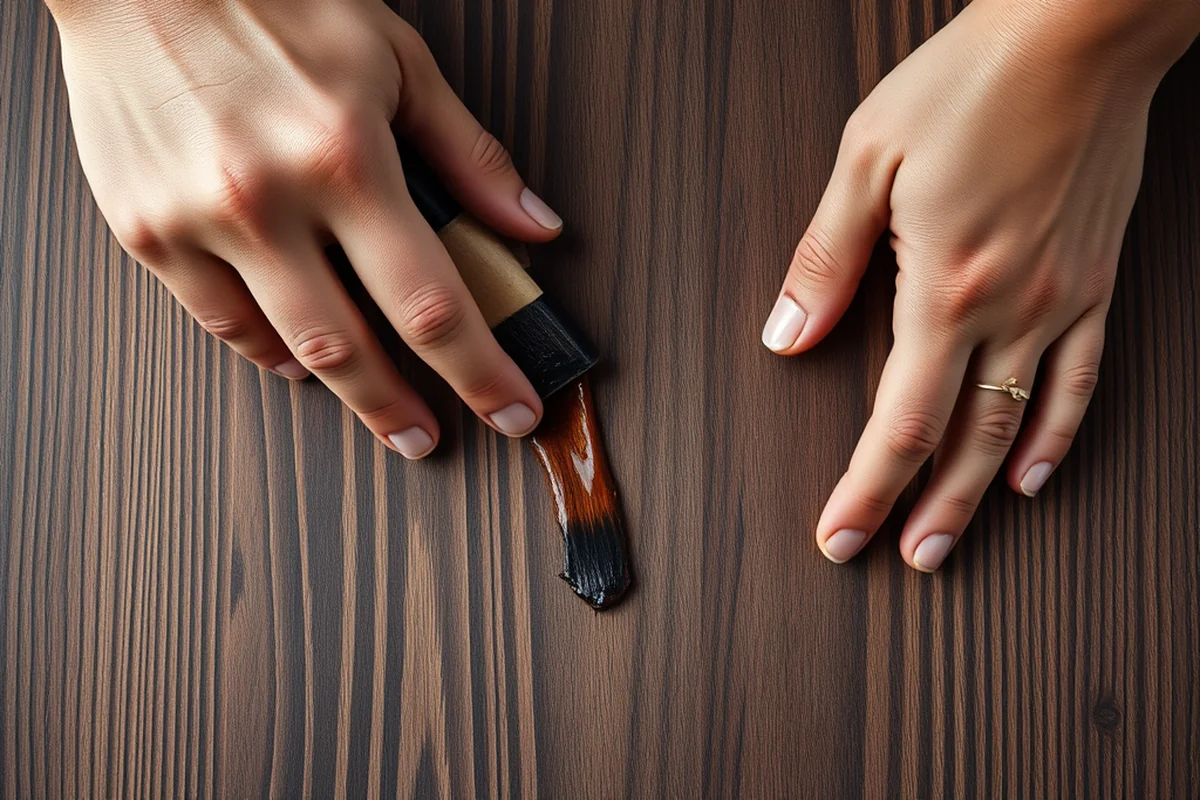
Solid wood doors are a far cry from the cheap, hollow-core doors that often come with new homes. These doors are not only more durable but also more beautiful. I once compared a solid oak door to a hollow-core door in the same room, and the difference was immediately noticeable. The oak door had a rich, warm tone and a natural grain that added a touch of elegance to the space. It was clear to me that this was a choice that would pay off in the long run.
Another benefit of solid wood doors is their ability to be refinished multiple times. Unlike composite doors, which often can't be sanded or painted without damaging the surface, solid wood doors can be sanded down and repainted or refinished to match your home's changing decor. I've personally refinished several doors over the years, and each time it felt like giving them a new lease on life. It's a simple process that can save you money in the long run.
The value of a solid wood door doesn't just come from its beauty or durability — it also comes from its ability to increase the resale value of your home. Studies have shown that homes with high-quality wood features, such as solid wood doors, tend to sell for more than those with cheaper alternatives. I've seen this firsthand when helping friends sell their homes, and it's always been a selling point that can't be ignored.[1]
Solid wood doors are not just functional — they're a long-term investment in beauty and value.
Related: Wood for bunk beds
Related: What Is Best Portable Table Saw
Related: What Is The Best Wood Flooring
The Pros and Cons of Solid Wood Doors
One of the biggest advantages of solid wood doors is their ability to be refinished and repainted. As I've mentioned before, this is a major benefit with maintaining the look of your doors over time. However, this same quality can also be a drawback — solid wood doors require more maintenance than other types of doors. They can be prone to warping, cracking, and splitting if not properly cared for. I've had to deal with these issues before, and it's always been a reminder that solid wood doors need to be treated with care.
Another consideration when choosing solid wood doors is their price. These doors are generally more expensive than hollow-core or composite doors, and this cost can add up quickly, especially if you're replacing all the doors in your home. However, I've found that the investment is often worth it in the long run. Solid wood doors are built to last, and they can increase the overall value of your home. It's a trade-off between upfront cost and long-term value that I've always found to be a fair one.
Despite these challenges, I've always believed that the benefits of solid wood doors far outweigh the drawbacks. They add a level of quality and craftsmanship that simply can't be replicated with other materials. I've installed solid wood doors in my own home and have never regretted the decision. They're a beautiful, functional, and lasting addition to any space.
When selecting a finish for your solid wood door, it's important to choose one that's appropriate for the climate in your home. High-humidity areas may require a different type of finish than dry climates, and choosing the right one can help prevent warping or cracking over time.
“The first time I walked into a home with solid wood doors, I felt something I hadn't in years — a sense of warmth, weight…”— DIY Wooden Kitchen Towel Bars editors
Related: What is a wooden door
How to Install a Solid Wood Door

Installing a solid wood door requires careful attention to detail, especially with the frame and the door itself. I've had the chance to install several solid wood doors in different parts of my home, and each time I've learned something new. The key to a successful installation is making sure the door is properly aligned with the frame and that the hinges are in the correct position. This is where patience and precision really come into play.
One of the most important steps in the installation process is ensuring that the door is properly squared. I've made the mistake of skipping this step before, and it resulted in a door that didn't close properly. It was a frustrating experience, but it taught me the importance of taking the time to get things right. I've since developed a routine that involves checking the alignment of the door and making adjustments as needed before proceeding.
Another important factor to consider is the type of hinge you choose. Solid wood doors are heavier than other types of doors, and this means that the hinges need to be strong enough to support the weight. I've used both traditional and modern hinges in my installations, and I've found that the right choice can make a big difference in how the door functions over time. It's always worth taking the time to choose the right hardware for your project.
Related: Grain wood furniture
Caring for Your Solid Wood Door
Caring for a solid wood door is an ongoing process that requires regular maintenance. I've learned over the years that even the best-quality wood doors can suffer from wear and tear if not properly cared for. This includes things like cleaning the surface regularly, avoiding harsh chemicals, and ensuring that the door remains properly aligned. I've had to deal with warping and cracking in the past, and it's always been a reminder that proper care is essential.
One of the simplest but most effective ways to care for your solid wood door is to use a clean, dry cloth for regular cleaning. I've found that using a damp cloth can leave behind moisture that can lead to warping or cracking over time. I've also learned to avoid using harsh chemicals or abrasive cleaners, as these can damage the finish on the door. Instead, I've found that using a mild wood cleaner or a simple soap and water solution works best.
In addition to regular cleaning, it's important to check the door periodically for signs of wear or damage. This includes looking for cracks, warping, or gaps between the door and the frame. If you notice any of these issues, it's important to address them as soon as possible. I've found that early intervention can often prevent more serious damage down the line, and it's always been a part of my routine maintenance.
Related: Grain wood furniture reviews
Choosing the Right Type of Solid Wood
With choosing the right type of wood for your solid wood door, there are a few different options to consider. I've worked with a variety of woods over the years, and each one has its own unique characteristics. Oak, for example, is a popular choice because of its strength and durability. Maple is another common option, and it's known for its smooth grain and ability to take a finish well. I've also used reclaimed wood, which can add a unique character to your door.
One of the most important factors to consider when choosing a wood is its grain pattern. I've found that woods with a more pronounced grain, like oak or walnut, can add a sense of depth and character to your door. On the other hand, woods with a more uniform grain, like maple, can give your door a more modern and clean look. It's always worth considering how the grain will look in your home before making a final decision.
Another thing to consider is the hardness of the wood. Harder woods, like oak and walnut, are more durable and less likely to scratch or dent over time. Softer woods, like pine, are more prone to dents and scratches but are also more affordable. I've used both types of wood in my own projects, and I've found that the right choice depends on the specific needs of the project. It's always worth taking the time to consider your options and choose the wood that best fits your needs.
The right wood can make all the difference in the look and feel of your solid wood door.
Related: Wood veneer hub
The Environmental and Sustainability Angle
One of the things I've come to appreciate about solid wood doors is their environmental impact. Unlike some other types of doors, which may be made from composite materials or synthetic finishes, solid wood doors are made from natural, renewable resources. This makes them a more sustainable choice, especially if you're looking to reduce your environmental footprint. I've always felt that choosing eco-friendly materials is an important part of any home improvement project.
Another benefit of solid wood doors is that they can be refinished and reused multiple times. This means that they don't need to be replaced as often as other types of doors, which helps to reduce waste and conserve resources. I've had several doors in my home that I've refinished over the years, and each time it's been a satisfying way to give them a new life. It's always been a reminder that sustainability doesn't have to come at the cost of quality or beauty.
In addition to being more sustainable, solid wood doors can also be made from reclaimed wood, which is a great way to reduce the demand for new timber. I've had the chance to work with reclaimed wood in my own projects, and I've always found it to be a rewarding experience. It's amazing how much character and history can be brought into a space through the use of reclaimed wood. It's not just about the wood itself — it's about the story it tells and the impact it has on the environment.
💰 Budget Build
A cost-effective option using affordable wood and basic finishes to create a functional, stylish door.
⏳ Weekend Version
A quick and easy do-it-yourself project that can be completed in a single weekend with minimal effort.
✨ Upgraded Finish
A high-end option featuring custom finishes, hardware, and detailing to create a luxurious, statement-making door.
🛋️ Small-Space Adaptation
A compact and space-saving design that's perfect for smaller homes or apartments without sacrificing style or quality.
🚪 Rental-Safe Option
A temporary or removable solution that's ideal for renters who want to add a touch of quality without making long-term changes to their space.
| The mistake | Why it happens | The fix |
|---|---|---|
| Not allowing the wood to acclimate before installation. | Wood needs time to adjust to the humidity and temperature of your home, or it can warp or crack after installation. | Allow the wood to sit in your home for at least a week before installing it, and use a moisture meter to check the levels. |
| Using the wrong type of hardware for the door. | Using weak or inappropriate hinges can lead to a door that doesn't close properly or wears out quickly. | Choose hinges that are strong enough to support the weight of the door and are compatible with the type of wood you're using. |
| Skipping the frame and panel system. | This can lead to warping or cracking over time, especially in areas with high humidity or temperature fluctuations. | Always use a frame and panel system when constructing or installing a solid wood door to ensure stability and longevity. |
| Using harsh chemicals to clean the door. | These can damage the finish and cause the wood to dry out or crack over time. | Use a mild wood cleaner or a simple soap and water solution to clean your solid wood door regularly. |
What Is A Solid Wood Door
Common Questions
Are solid wood doors more expensive than other types of doors?
Can I install a solid wood door myself, or should I hire a professional?
How do I know if my solid wood door is properly sealed?
Can I paint a solid wood door after installation?
References
- (PDF) What is Door and its Types - Academia.edu (academia.edu)
- Exterior Doors Are Insulated, Impact Rated, and Fire Rated (basc.pnnl.gov)
- Doors U-Factors (coecs.ou.edu)
- Division 08 Openings - University of Wisconsin–Madison (cpd.fpm.wisc.edu)
- SECTION 081416 - FLUSH WOOD DOORS - CU Anschutz (cuanschutz.edu)
Cite this guide
DIY Wooden Kitchen Towel Bars (2026). What Is A Solid Wood Door. https://towelsmith.com/what-is-a-solid-wood-door/
Feel free to cite or share this guide.