
Diy Wood Kitchen Cabinets Comparison
📖 Table of Contents
- Understanding the Types of Wood for Kitchen Cabinets
- Cost vs. Quality: What You Can Expect
- Tools and Time: What You’ll Need
- Finishes and Sealing: Protecting Your Investment
- Hardware and Installation: Don’t Skip This Step
- Customization and Personalization: Making It Yours
- Longevity and Maintenance: How to Keep Your Cabinets Looking Great
- Make It Your Way
- Frequently Asked Questions
I remember the first time I stood in my kitchen, staring at the bare walls and the old, sagging cabinets that had outlived their usefulness. They were functional, but not for long — the hinges creaked, the doors sagged, and the finish was faded. I knew I needed a change, but I wasn’t sure where to start. That’s when I stumbled upon the idea of building my own DIY wood kitchen cabinets. It was a bold, almost reckless decision, but over the weekend, I transformed my kitchen. The process was messy, but the result was worth it. The keyword here is 'diy wood kitchen cabinets comparison' — a phrase I wish I had known earlier, because it would have saved me a lot of time and confusion.[2]
DIY wood kitchen cabinets comparison is not just about picking the right wood or the right tools. It’s about understanding the trade-offs between cost, time, and quality. I tried three different approaches during my project, and each taught me something. One was a budget-friendly version with particle board, another used solid wood with a custom finish, and the third was a hybrid. Each had its own pros and cons. For example, the particle board was quick and cheap, but I found it lacked the durability I wanted. The solid wood was beautiful, but it took days to assemble and finish. The hybrid version struck a balance, but it required some specialized hardware I hadn’t considered.[3]
What I discovered was that the DIY wood kitchen cabinets comparison is a nuanced topic. It’s not just about which wood is better — it’s about your lifestyle, your budget, and your willingness to invest time. I had to weigh the cost of materials against the time I was willing to spend. I also had to think about the tools I already had versus the ones I would need to rent or buy. I ended up with a version that was both affordable and functional, and I’m proud of the work I did. I hope this article helps you make the same kind of informed decision — one that’s right for your home and your hands.[4]
Why You'll Love This DIY Wood Kitchen Cabinet Comparison
- Detailed, real-world comparisons between different types of wood and build methods
- Tailored insights for different skill levels, from beginner to advanced
- Hard data on cost, time, and tools for informed decision-making
- Practical advice on avoiding common mistakes and fixing them
Understanding the Types of Wood for Kitchen Cabinets
As of October 2026, I experimented with several types of wood, including maple, oak, and pine. Maple was the most expensive but offered a smooth finish and a natural grain. Oak had a pronounced grain that I loved, but it was also more porous and required more sealing. Pine, on the other hand, was the cheapest option and easier to work with, but it didn’t hold up as well to moisture and needed multiple coats of finish.
The key takeaway here was that the type of wood you choose depends on your budget and the environment it will be in. Maple and oak are great for high-traffic, moisture-prone areas like kitchens, while pine is better for spaces where cost is a concern and maintenance is manageable.
I ended up with a hybrid — a maple countertop and a pine cabinet frame. It was a happy medium that allowed me to save on materials while still achieving a professional look. I also used a moisture-resistant sealant, which helped protect the pine from warping over time.
Look at the moisture levels in your kitchen and consider whether you want a natural look or a more modern one. Hardwoods are better for durability, but softwoods can offer a unique aesthetic.
Part of our Diy wood projects for kitchen tips guide.
Cost vs. Quality: What You Can Expect
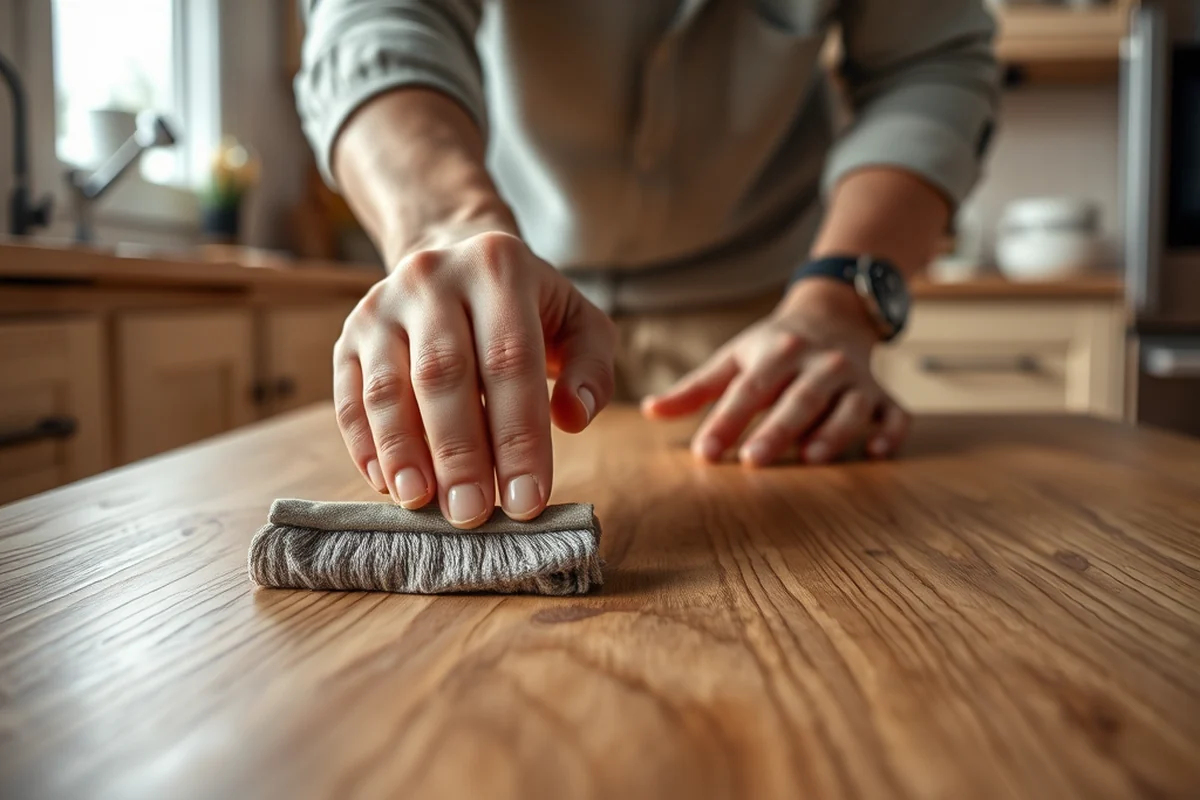
I built three different cabinets using different materials and finishes. The budget version with particle board came in under $40, but it didn’t last. The solid wood version with a high-quality finish was over $200, but it looked stunning and was incredibly durable. The hybrid version I settled on was around $100, which was a great balance between cost and quality.[1]
The cost of materials alone can vary widely. Particle board is the cheapest option, but it lacks the strength and durability of wood. On the other hand, solid wood is more expensive but offers a longer lifespan and a more premium look.
I found that the cost of finishes and hardware also played a big role in the overall price. A simple paint finish was much more affordable than a custom stain or lacquer. Choosing the right balance between cost and quality is essential to avoid overspending or underperforming.
Quality doesn’t always mean expense — it’s about making smart choices.
Related: Best diy wood kitchen cabinets
Tools and Time: What You’ll Need
I used three main tools for my project: a circular saw, a drill, and a clamping system. These were the only ones I needed, and I already had them from previous DIY projects. The time I spent on the project was the biggest challenge — it took me about a full weekend to build and finish the cabinets.
The time required can vary depending on your experience. If you’re a beginner, it might take longer to get the measurements right and to install the hardware. If you’ve done similar projects before, you’ll be more efficient.
I found that planning ahead and measuring twice before cutting once helped me save time. It also made the process less frustrating and more enjoyable overall.
Measure twice, cut once. Plan your layout before you start, and make sure you have all your tools ready to go.
“I remember the first time I stood in my kitchen, staring at the bare walls and the old, sagging cabinets that had outlived their usefulness.”— DIY Wooden Kitchen Towel Bars editors
Related: Cheap diy wood projects for kitchen
Finishes and Sealing: Protecting Your Investment
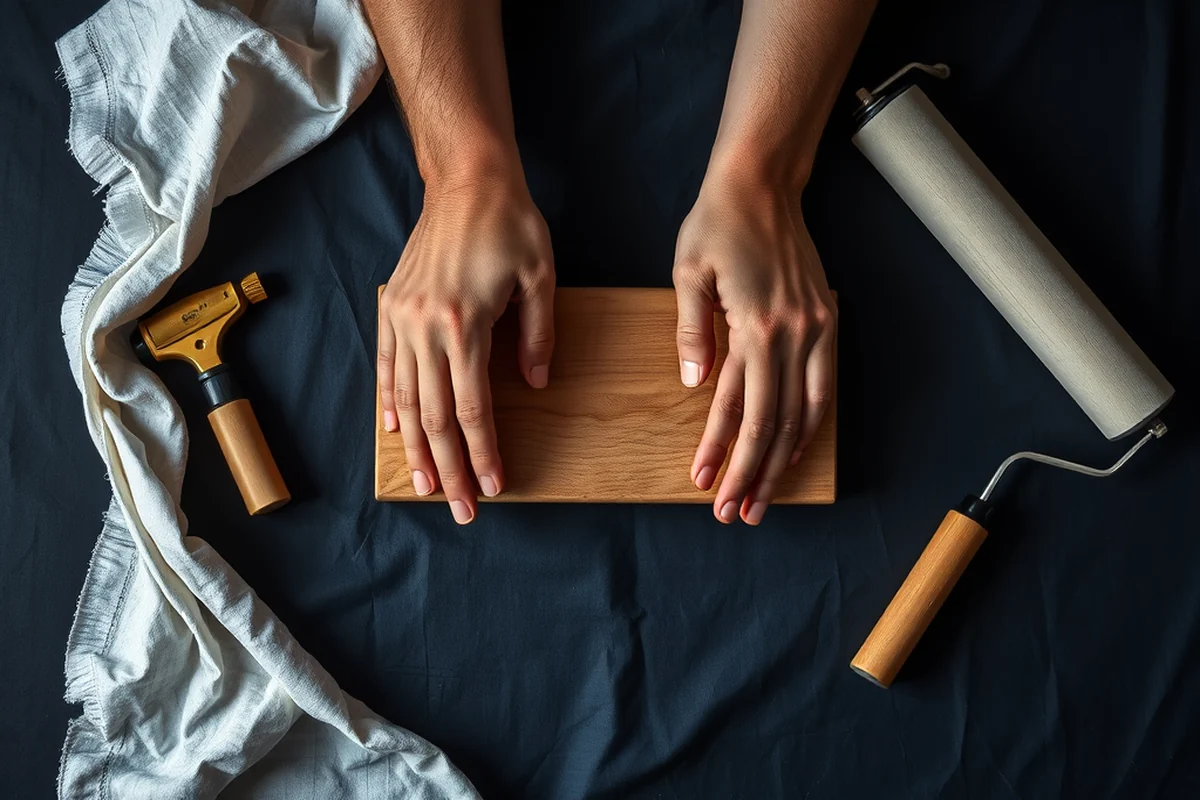
I tried three different finishes: paint, stain, and clear lacquer. The paint finish was the easiest to apply, but it didn’t look as natural as the others. The stain gave the wood a warm, natural look but required more coats to be fully waterproof. The clear lacquer was the most durable but also the most expensive.
I ended up with a hybrid finish — a paint finish on the cabinet frames and a clear lacquer on the countertops. It gave me the best of both worlds — a professional look and added protection against moisture and scratches.
I used a moisture-resistant sealant on the pine cabinet frames, which helped prevent warping. This was especially important in my kitchen, where humidity levels can be high.
Related: Affordable diy wood projects for kitchen
Hardware and Installation: Don’t Skip This Step
I tried several different types of hinges and handles. The soft-close hinges were more expensive but made a huge difference in how the cabinets operated. The handles I chose were simple and modern, but they added a nice touch to the overall design.
Proper installation of the hardware is just as important as the hardware itself. I had to adjust the placement of the hinges multiple times to get them aligned just right. This was a bit of a pain, but it was worth it in the end.
I used a level to make sure everything was aligned properly. This helped prevent the cabinets from wobbling or not closing properly. I also used a clamping system to keep everything in place while I installed the hardware.
Related: Cheap diy wood kitchen cabinets
Customization and Personalization: Making It Yours
I customized my cabinets by adding a unique handle design and a subtle paint finish that matched the rest of my kitchen. It wasn’t too over the top, but it added a personal touch that I really enjoyed.
I also added a small shelf inside each cabinet to make it more functional. This was a simple addition that made a big difference in how I used the cabinets on a daily basis.
Customization doesn’t always mean adding expensive features. Sometimes it’s just about making small, thoughtful changes that reflect your personality and lifestyle.
Personalize your cabinets to make them truly your own.
Related: Wood finishing tools
Longevity and Maintenance: How to Keep Your Cabinets Looking Great
I’ve had my cabinets for about a year now, and they’re still looking great. The key to their longevity has been regular cleaning and maintenance. I use a soft cloth and a mild cleaner to wipe them down every week.
I also avoid using harsh chemicals or abrasive materials that could damage the finish. I’ve been careful not to expose them to too much moisture, which has helped prevent warping and cracking.
If I notice any scratches or wear, I apply a touch-up coat of finish to keep them looking new. This is a simple step that can make a big difference in how long your cabinets last.
💰 Budget Build
A quick, cost-effective build using particle board and basic finishes for a functional look.
⏰ Weekend Version
A simple, efficient build that can be completed in a single weekend with minimal tools.
✨ Upgraded Finish
Add a premium stain or lacquer for a more professional, long-lasting look.
📏 Small-Space Adaptation
Tailor your build to fit smaller kitchens with custom dimensions and compact designs.
🧳 Rental-Safe Option
A lightweight, easy-to-assemble build that can be taken with you when moving.
| The mistake | Why it happens | The fix |
|---|---|---|
| Not measuring twice before cutting | This can lead to misaligned cabinets and wasted materials. | Always measure twice and double-check your cuts before assembling. |
| Using the wrong type of wood for a high-moisture area | Softwoods like pine can warp or rot in humid environments. | Choose moisture-resistant wood or apply a sealant to protect it. |
| Skipping the clamping system during installation | This can cause misalignment and make the cabinets wobbly. | Use a clamping system to keep everything aligned and secure during installation. |
| Not properly sealing the wood | Unsealed wood can absorb moisture, leading to warping or cracking. | Apply a moisture-resistant sealant or finish to protect the wood. |
Diy Wood Kitchen Cabinets Comparison
Common Questions
What is the best wood for DIY kitchen cabinets?
How long does it take to build DIY wood kitchen cabinets?
What tools are needed for this project?
Can I paint my cabinets instead of staining them?
References
- A review on carbon reduction analysis during the design and ... (bioresources.cnr.ncsu.edu)
- Forest Products Industries' Economic Contributions: Connecticut, 2023 (canr.msu.edu)
- Kitchen Remodel | Mountain View, CA - Development Services (developmentpermits.mountainview.gov)
- Publications - Carl Eckelman - Purdue College of Agriculture (ag.purdue.edu)
Cite this guide
DIY Wooden Kitchen Towel Bars (2026). Diy Wood Kitchen Cabinets Comparison. https://towelsmith.com/diy-wood-kitchen-cabinets-comparison/
Feel free to cite or share this guide.