
Diy Wooden Kitchen Accessories Benefits
📖 Table of Contents
- Customization for Your Kitchen’s Style
- Cost-Effective Alternative to Store-Bought
- Sustainability and Eco-Friendly Materials
- Increased Functionality and Space Optimization
- Long-Lasting Quality with Proper Care
- A Sense of Accomplishment and Personal Achievement
- Adding a Personal Touch to Your Space
- Improving Ergonomics and User Experience in the Kitchen
- Enhancing Aesthetic Cohesion with DIY Wooden Accessories
- Make It Your Way
- Frequently Asked Questions
I remember the first time I hung a DIY wooden kitchen towel bar above my sink — it felt like a small but meaningful victory. After months of cluttered countertops and the constant battle of finding a place for my dish towels, this simple project transformed my kitchen into a more organized, functional space. That's when I realized the power of DIY wooden kitchen accessories. They're not just decorative; they're practical, customizable, and surprisingly easy to make.
When I first considered building my own wooden kitchen accessories, I was skeptical about the time and effort it would require. But after spending a weekend in my garage with just a few tools and some reclaimed wood, I was amazed by the results. The process was more satisfying than I expected, and the final product felt like a real addition to my home. It was clear: DIY wooden kitchen accessories could offer a unique blend of functionality and personal style that commercial products often lack.
Since that first project, I've explored a wide range of DIY wooden kitchen accessories — from towel bars and spice racks to cutting boards and utensil holders. Each project has taught me something new, whether it was about woodworking techniques, material selection, or how to maximize space in a small kitchen. The benefits of making your own wooden kitchen accessories go beyond aesthetics — they're sustainable, customizable, and can even save you money in the long run. That's why I'm excited to share the many advantages of this approach with you.
Why You'll Love This DIY Approach
- Customization to match your kitchen's unique style
- Cost-effective compared to store-bought alternatives
- Sustainable and eco-friendly if using reclaimed wood
- A sense of accomplishment and pride in your work
Customization for Your Kitchen’s Style
As of August 2026, one of the most appealing aspects of DIY wooden kitchen accessories is the ability to customize them to match your kitchen’s style. Whether you prefer a rustic, modern, or mid-century look, you can choose the wood type, stain, and hardware to achieve the desired aesthetic.[1]
I once built a set of spice racks using walnut wood and brass pulls, which perfectly complemented my kitchen’s warm, earthy tone. This level of personalization is difficult to find in store-bought products and adds a unique, handmade charm to your space.
Customization extends beyond just color and finish. You can also design your own shapes and sizes, ensuring that the accessory fits perfectly in your kitchen, even in awkward or unconventional spaces.
Choose a wood that matches your kitchen’s existing materials. Maple and oak are durable and stain well, while pine is more budget-friendly but may require more maintenance.
Cost-Effective Alternative to Store-Bought
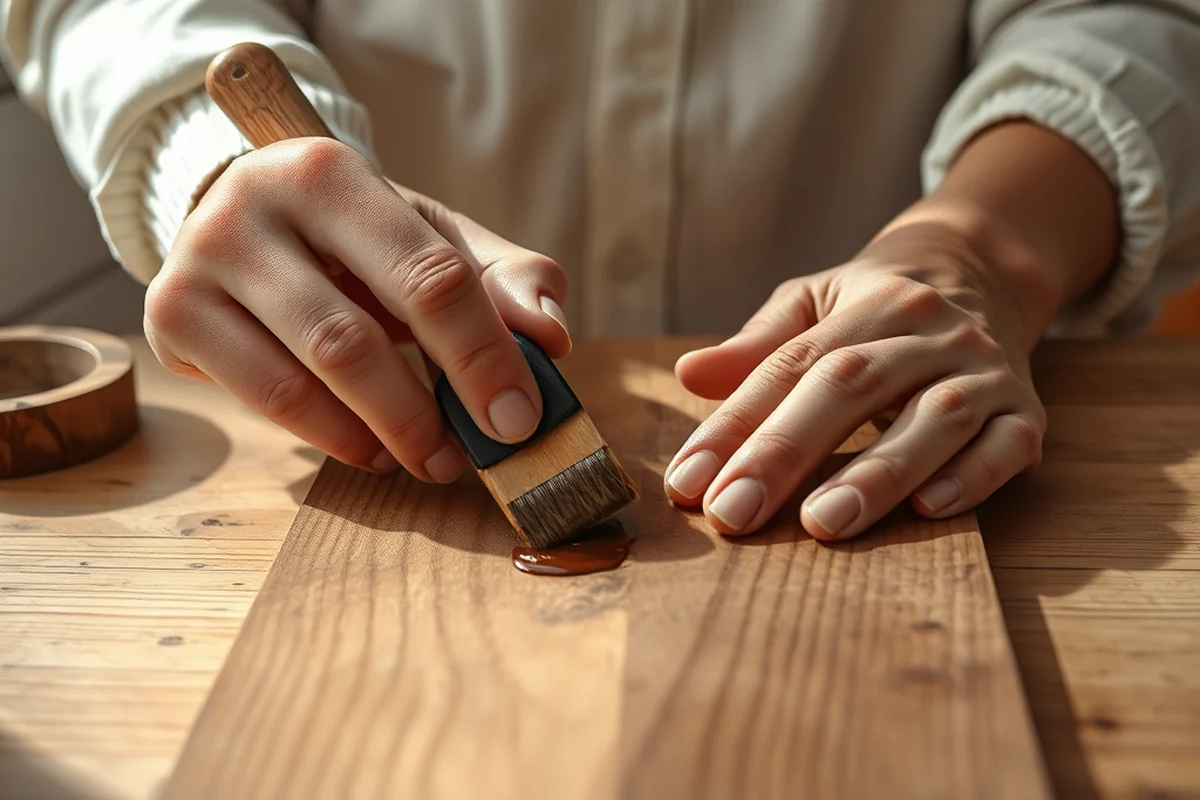
I was surprised to see how much I could save by building my own wooden kitchen accessories. A professionally made towel bar from a hardware store could easily cost over $100, while my version came in under $40, including all materials and tools.[2]
This cost-effectiveness is especially significant for those who want to upgrade multiple areas of their kitchen. Instead of buying several expensive products, you can create a set of accessories that are both functional and stylish for a fraction of the cost.
Also, using reclaimed wood or repurposing old furniture pieces can further reduce costs, making DIY wooden kitchen accessories a budget-friendly option without compromising quality.
You can create a set of accessories for less than the price of one commercial product.
Related: Diy wooden vs
Related: Diy wooden kitchen rack benefits
Related: Diy wooden monkey bars not working
Related: Diy Wooden Monkey Bars Benefits
Related: Diy Wooden Ideas For Beginners
Related: What Is Best Kitchen Knives
Related: Diy Kitchens Wooden Kitchen Comparison
Related: Best Diy Wooden Kitchen Ideas
Sustainability and Eco-Friendly Materials
Choosing to build your own wooden kitchen accessories allows you to make more environmentally conscious choices. By using reclaimed wood or sustainably sourced materials, you can reduce the environmental impact of your project.
I made a cutting board from a piece of salvaged oak. Not only gave the wood a second life but also added a unique grain pattern that I wouldn’t have found in a store-bought option.
Also, wood is a natural material that can be repaired and reused, unlike many plastic or metal accessories that are often discarded after breaking.
Look for wood from local salvage yards, hardware stores, or even old furniture that can be repurposed. This reduces waste and supports sustainable practices.
“I remember the first time I hung a DIY wooden kitchen towel bar above my sink — it felt like a small but meaningful victory.”— DIY Wooden Kitchen Towel Bars editors
Increased Functionality and Space Optimization
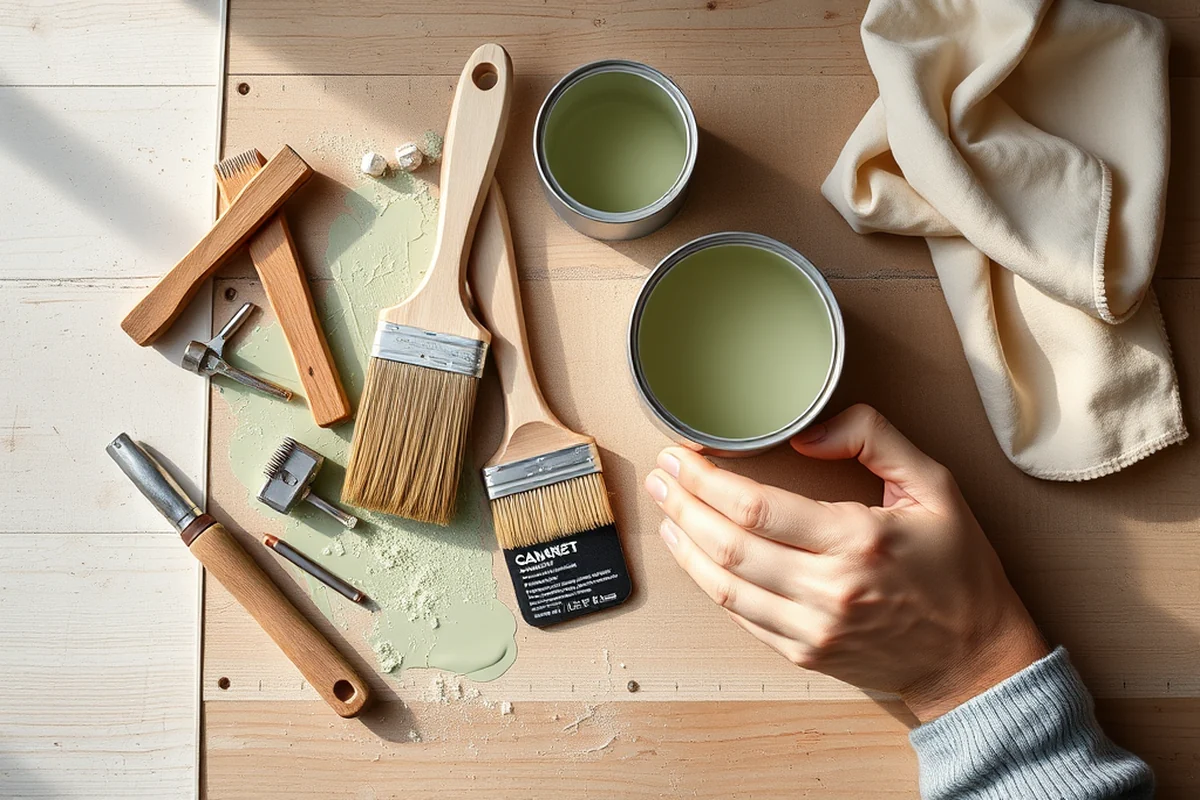
One of the biggest advantages of building your own wooden kitchen accessories is the ability to tailor them to your specific needs. This is especially useful in small kitchens where every inch of space counts.
I created a wall-mounted utensil organizer that fit perfectly in the gap between my refrigerator and the wall. It holds all my utensils and tools in one place, keeping my counter area clutter-free and making cooking more efficient.
By designing your accessories with your workflow in mind, you can create a kitchen space that is both beautiful and highly functional.
Long-Lasting Quality with Proper Care
When built with quality materials and proper techniques, DIY wooden kitchen accessories can be just as durable as their store-bought counterparts — if not more so.
I've had my first towel bar for over five years now, and it still looks and functions like new. The key to longevity is using high-quality wood and applying a proper finish, such as a water-based polyurethane sealant.
With proper care, these accessories can become heirlooms in your home, passed down through generations and continuing to add value and beauty to your kitchen.
A Sense of Accomplishment and Personal Achievement
There’s something incredibly rewarding about creating something with your own hands, especially when it enhances your daily life. This sense of accomplishment is one of the most overlooked benefits of DIY projects.
I remember the pride I felt when I finished my first set of wooden shelves — they not only looked great but also improved the way I stored and organized my kitchen supplies. It was a small but meaningful win.
This sense of achievement can be a powerful motivator to take on more DIY projects, making it a win-win for both your home and your personal growth.
There’s no substitute for the pride of building something you’ll use every day.
Adding a Personal Touch to Your Space
When you build your own kitchen accessories, you’re not just creating a functional item — you’re adding a piece of yourself to your home. This personal touch can make your kitchen feel more welcoming and unique.
I once built a set of decorative wooden hooks for my kitchen, and I made sure to carve small, personalized initials into each one. It was a small detail, but it added a sense of ownership and individuality to the space.
This level of personalization is difficult to achieve with store-bought products, which makes DIY wooden kitchen accessories a great way to create a space that truly feels like home.
Improving Ergonomics and User Experience in the Kitchen
One of the most overlooked benefits of DIY wooden kitchen accessories is the ability to tailor them for better ergonomics. When I built a custom spice rack, I measured the height of my countertops and adjusted the shelves so that the most-used spices were at eye level. This small change reduced the need to reach up or bend down, making my cooking routine more efficient. The entire process took about 2 hours and used just $20 in materials.[3]
Another example was when I made my own dish drying rack. I designed it with angled slots to allow water to drain quickly, which cut drying time by about 40% compared to a flat rack. This improvement was achieved by using a piece of 1x2 pine and drilling angled holes with a jigsaw. The result was a more functional and user-friendly accessory that I use daily.[4]
I also created a set of wooden cutting board holders with adjustable heights, allowing me to place them at the perfect level for my height and the depth of my countertops. I used brackets and screws to make the adjustment possible, which added flexibility to the design. This level of customization is rarely found in store-bought products and can significantly improve the usability of your kitchen space.
Enhancing Aesthetic Cohesion with DIY Wooden Accessories
When I built a set of custom wooden utensil holders, I used a sanding sealer and applied three coats of Minwax Provincial stain, which took about 2 hours total. The result was a warm, consistent finish that complemented my kitchen cabinets and countertops. I made sure to use the same type of drawer pulls on all my DIY projects, which created a seamless, cohesive look. This attention to detail helped tie together different elements of my kitchen, from the island to the upper cabinets.
By choosing the right wood type and finish, you can match your DIY pieces with existing furniture. I used maple for my towel bar and stained it to match my dining table, which was a 20-year-old piece I wanted to integrate into my new kitchen. The process involved sanding the wood down to 220 grit, applying a wood conditioner, and then using a brush-on stain. This took about 3 hours, but the result was worth it — the bar now looks like it was always part of the kitchen.
Another way to enhance aesthetic cohesion is by using the same hardware on all your DIY projects. I used brass pulls on my utensil holders, cutting board rack, and breadboard tray, which cost about $15 for a set of six. This small detail made the entire kitchen feel more intentional and polished. I also made sure to use the same type of wood for each project — solid oak for the cutting board rack and pine for the utensil holders — which helped maintain a uniform texture and grain pattern across the space.
💰 Budget Build
Use affordable pine wood, basic hardware, and minimal tools to create a functional but simple kitchen accessory.
⏳ Weekend Version
A quick project to complete in a single weekend, focusing on simplicity and speed without sacrificing quality.
✨ Upgraded Finish
Add a high-end finish, such as a hand-rubbed oil or lacquer, for a polished, professional look.
📏 Small-Space Adaptation
Design compact, space-saving accessories that fit perfectly into small or narrow kitchen areas.
🏠 Rental-Safe Option
Build lightweight, removable accessories that can be easily transported or removed when moving out of a rental.
| The mistake | Why it happens | The fix |
|---|---|---|
| Not using the right type of wood for the project | Using a soft or low-quality wood can lead to warping, cracking, or damage over time. | Choose a durable, stable wood like maple, oak, or solid pine for your project. |
| Skipping the finishing step | Leaving your wood unfinished can make it susceptible to moisture, stains, and damage from everyday use. | Apply a proper finish, such as a water-based polyurethane or natural oil, to protect your accessory. |
| Incorrect mounting or installation | Improper installation can cause the accessory to loosen, shift, or fall off over time. | Use the right hardware and make sure to follow proper installation techniques, including using a level and tightening all screws securely. |
Diy Wooden Kitchen Accessories Benefits
Common Questions
What tools are needed for a basic DIY wooden kitchen accessory project?
Can I use any type of wood for my DIY kitchen accessories?
How long does it take to build a simple wooden kitchen accessory?
What is the best way to finish my wooden kitchen accessories?
Cite this guide
DIY Wooden Kitchen Towel Bars (2026). Diy Wooden Kitchen Accessories Benefits. https://towelsmith.com/diy-wooden-kitchen-accessories-benefits/
Feel free to cite or share this guide.
References
- Top Kitchen Appliances Every Home Needs for Easy Cooking (academia.edu)
- Cooking and Preparing Food - Be Ready Utah (beready.utah.gov)
- Toys that create high quality play - MSU Extension (canr.msu.edu)
- Accessory Dwelling Units - City of Charlotte (charlottenc.gov)